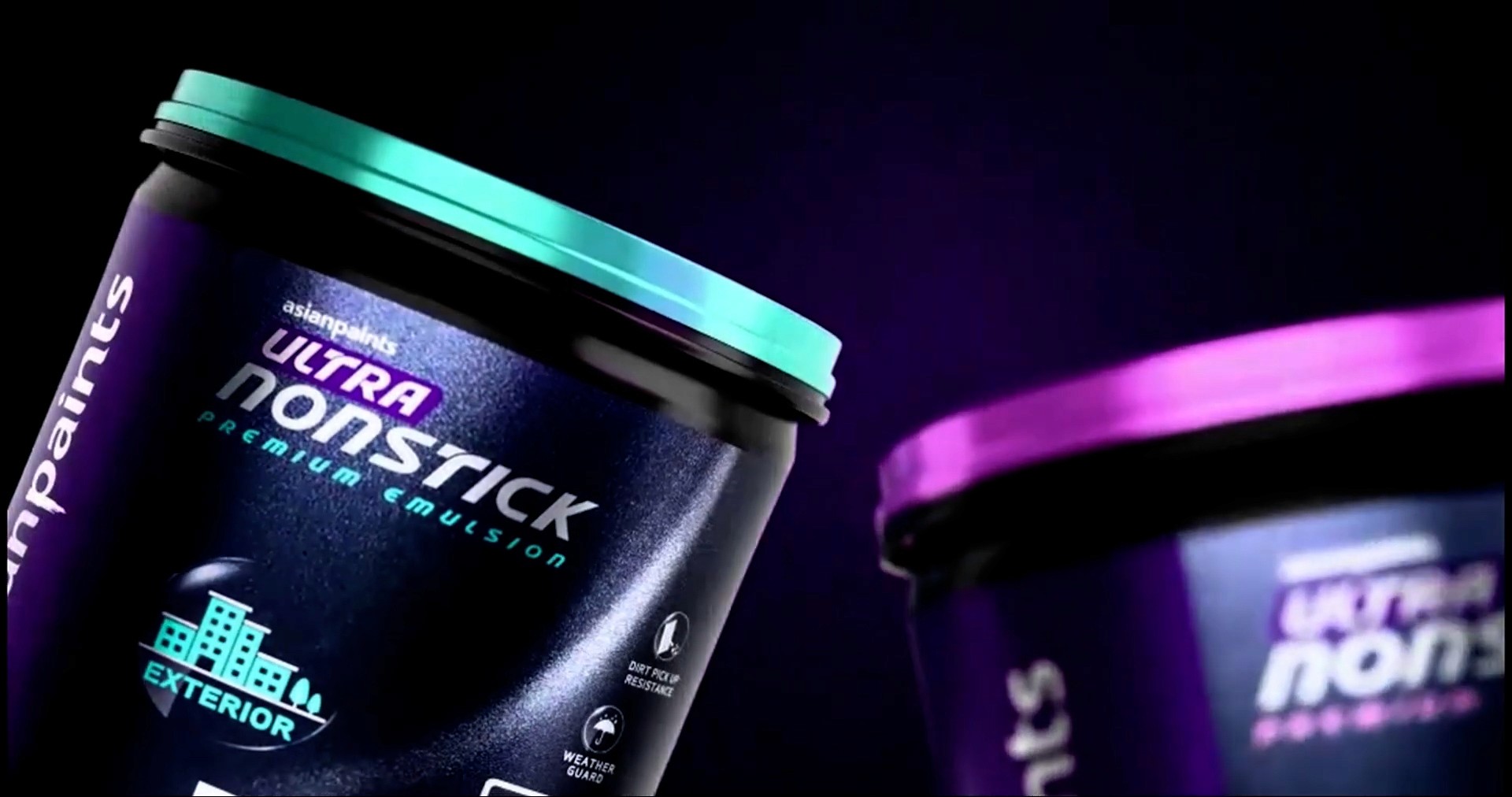
A intensive visual journey into the molecular science of protection, this TVC transforms paint into a high-tech marvel. Using advanced Blender Geometry Nodes and intricate shader VFX, we visualized the "Ultra Nonstick" technology through a futuristic, sci-fi lens.
[Client]
Asian Paints Bangladesh
[Year]
2025
[Services]
VFX,3D Animation,Color Grading,Motion Graphic,Composite
[Catagory]
3D Animation
Visualizing the Science
The brief from Asian Paints was pretty specific: make "nonstick" look high-tech but premium. Usually, paint commercials are all about the final look of a room, but for the Ultra Nonstick Emulsion, we had to go inside the paint itself. The goal was to make the technology feel real, almost like you’re looking at a high-end lab experiment rather than just a product demo.
Building the Lab Environment
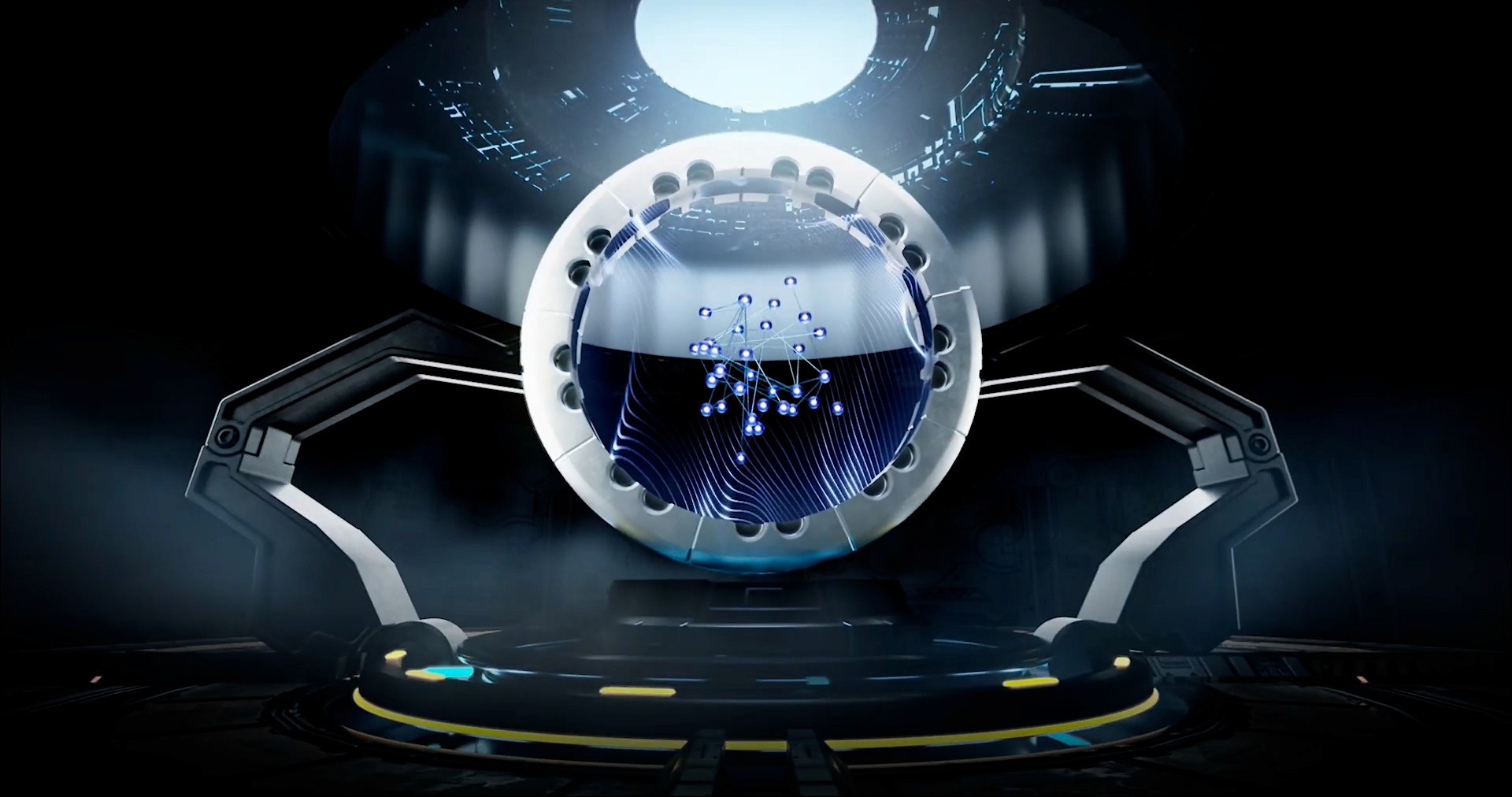
We needed the lab setting to feel huge and slightly futuristic, so we used Blender for the main modeling and layout. For the lighting, we took a lot of cues from how things look in Unreal Engine—lots of high-contrast shadows and small glowing light sources.
We kept the camera angles low to make the mechanical arms and the central reactor feel heavy and industrial. It wasn't about making it look like a sci-fi movie; it was about making the viewer feel like they were seeing a real R&D facility right here in our 3D animation studio in Bangladesh.
Creating the Molecular Web
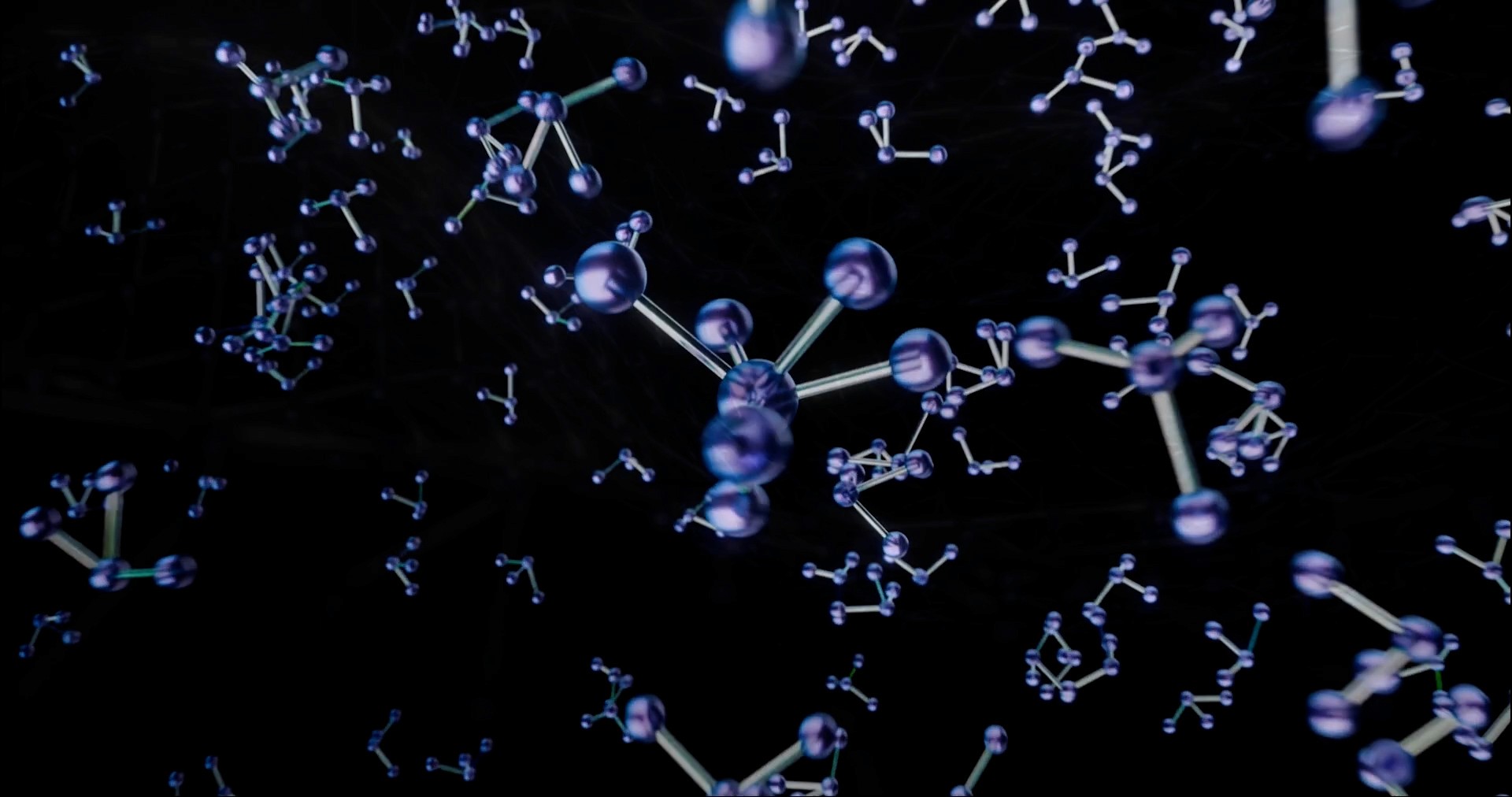
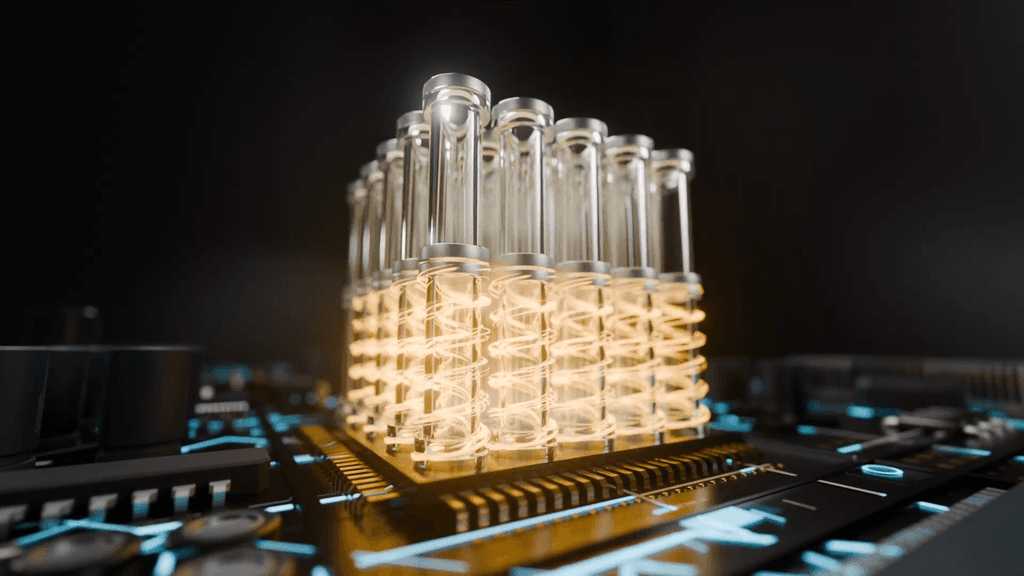
To show the actual "nonstick" part, we had to create a lattice structure. Doing this by hand would have been a nightmare for revisions, so we used Blender Geometry Nodes.
This let us procedurally grow the web of particles inside the glass orb. If we needed more spheres or tighter connections, we just adjusted the parameters. It gave the animation a mathematical, organized look that fits the "science" theme better than manual keyframing ever could.
Shaders and Paint FX
The paint itself was the trickiest part. It’s not just a flat color; it has a specific sheen. We spent a lot of time on custom shaders to make sure the paint in the buckets looked thick and iridescent.
For the "energy" or smoke effects coming off the bucket, we stayed away from heavy fluid sims where we could. Instead, we used a mix of procedural noise and volume shaders. It’s lighter on the render times and gave us more control over the "glow" of the particles as they rise.
Post-Production
Once the 3D renders were out of Blender, we brought everything into After Effects for the final polish. This is where we tied the brand colors—the purples and teals—into the lighting.
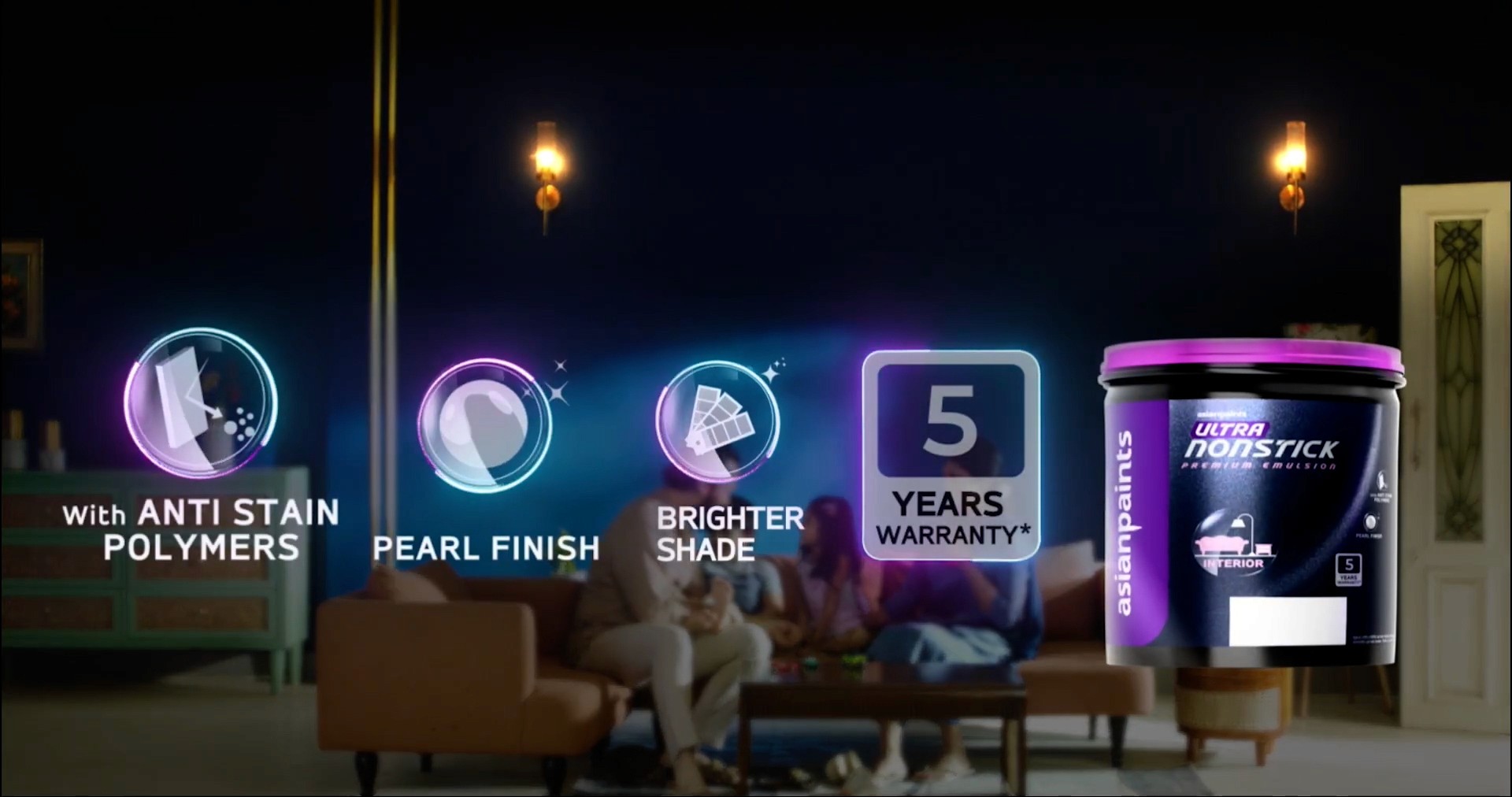
We used Mocha for some of the tracking to make sure the UI overlays and text felt like they were actually floating in the room, not just slapped on top of the video. It’s those small details, like a bit of lens flare or some natural motion blur, that help a 3D project feel like a finished piece of film.
As a VFX studio in Bangladesh, we’re used to tight turnarounds, but the Asian Paints project gave us a chance to really focus on the technical details of the "why" behind the animation. It wasn't about fancy transitions; it was about making the tech look like it works.