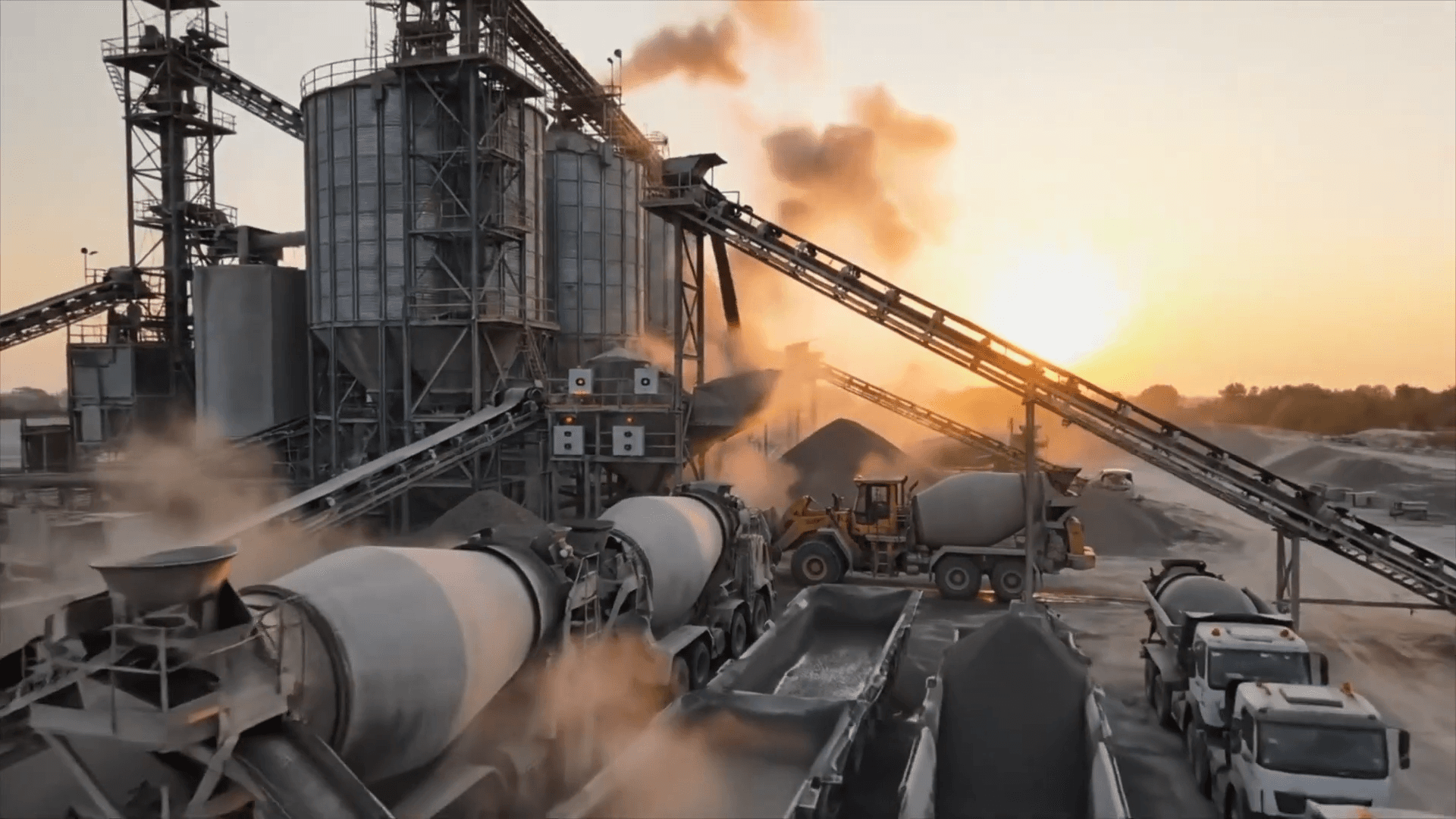
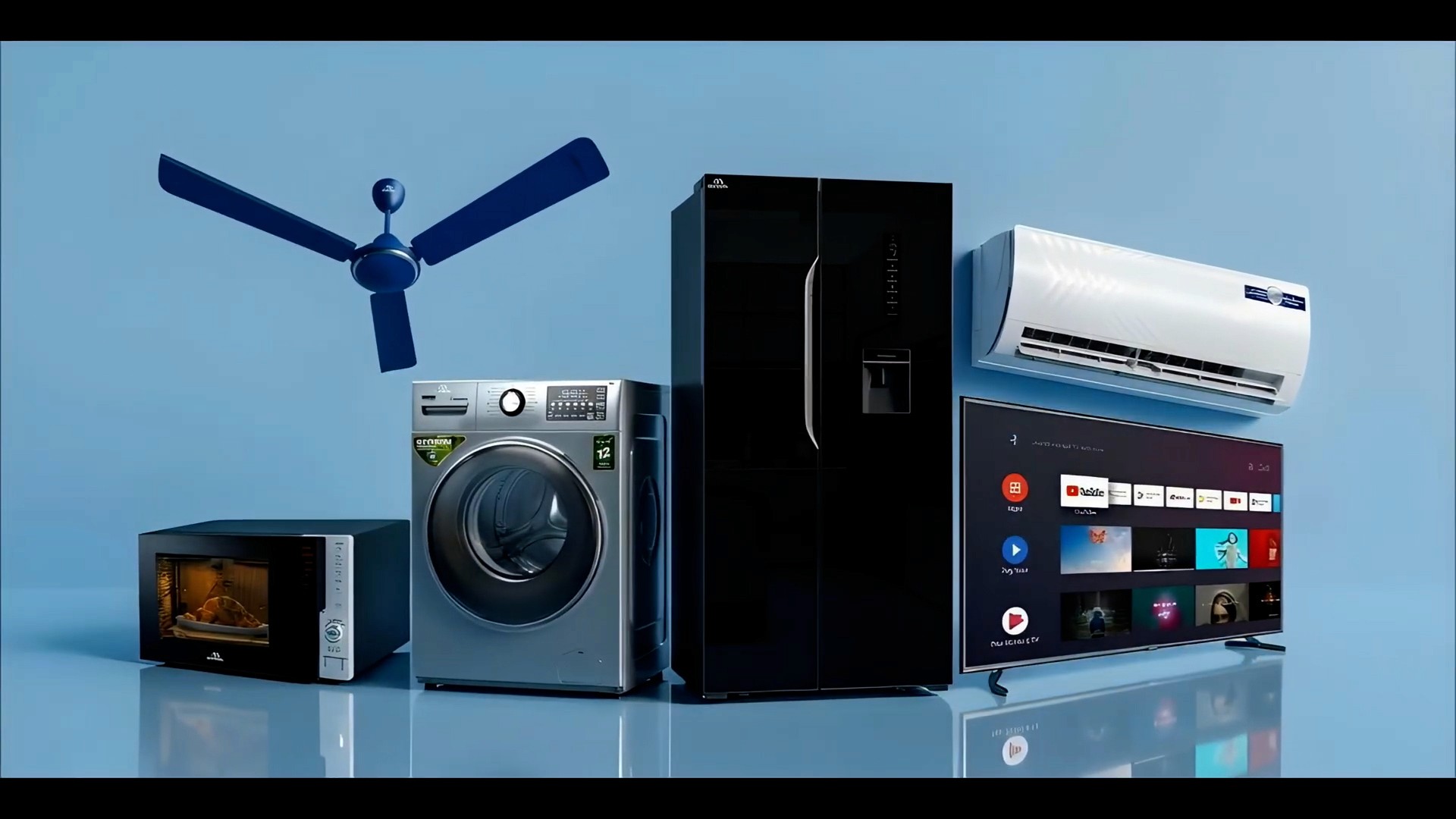
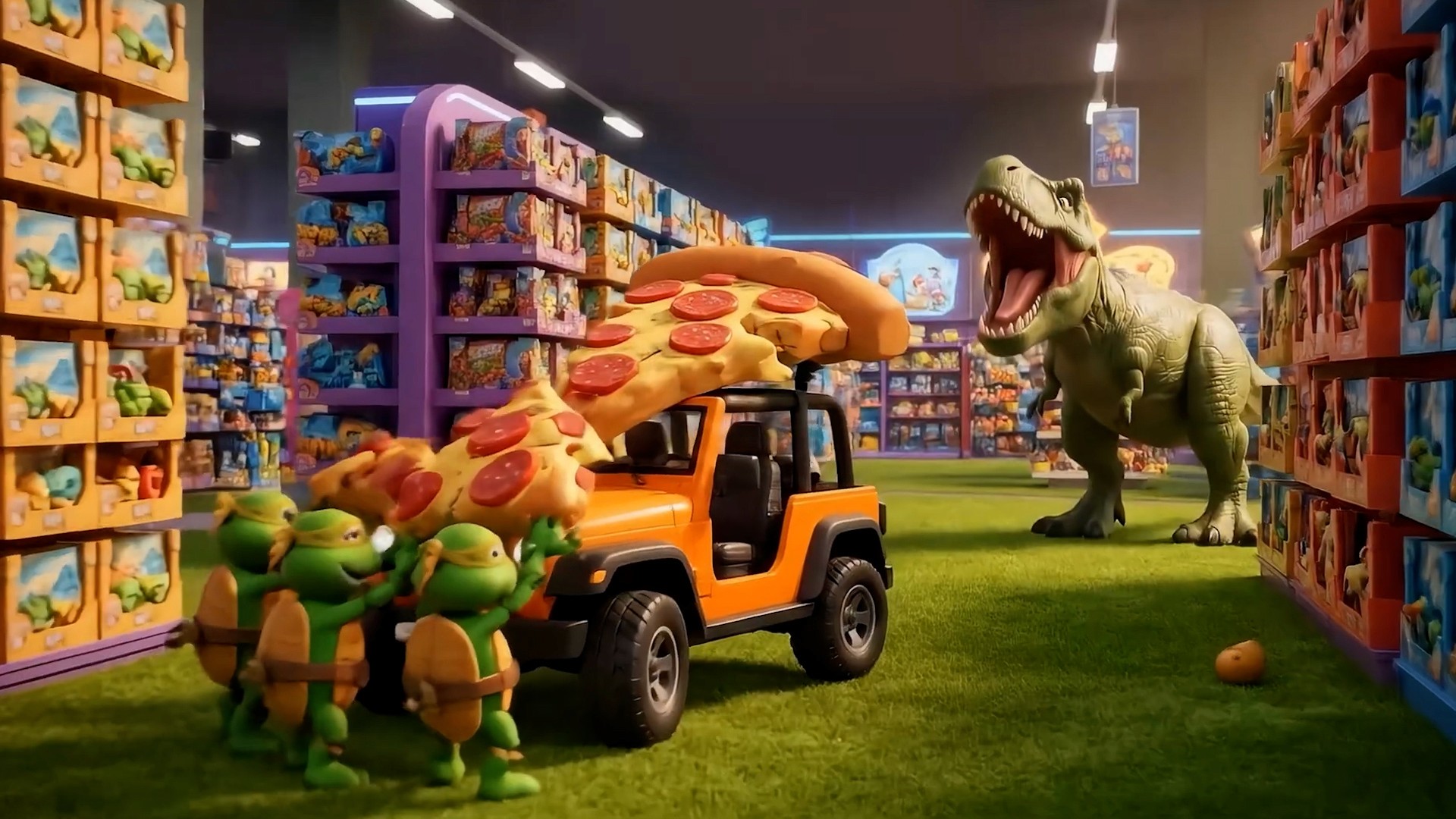
For the launch of Heidelberg Materials' Ruby and Scan Cement PCC Max, FireDrum Studios deployed a cutting-edge hybrid workflow. By integrating Generative AI for expansive environments with precision 3D animation for product visualization, we delivered a commercial that emphasizes strength and durability. As a leading 3D animation studio in Dhaka, we turned a complex industrial brief into a visually stunning reality.
[Client]
Heidelberg Materials
[Year]
2025
[Services]
Ai Content Generation, 3D Modeling, Animation, Compositing
[Catagory]
AI-Content
Visualizing Concrete Strength with a Hybrid Pipeline
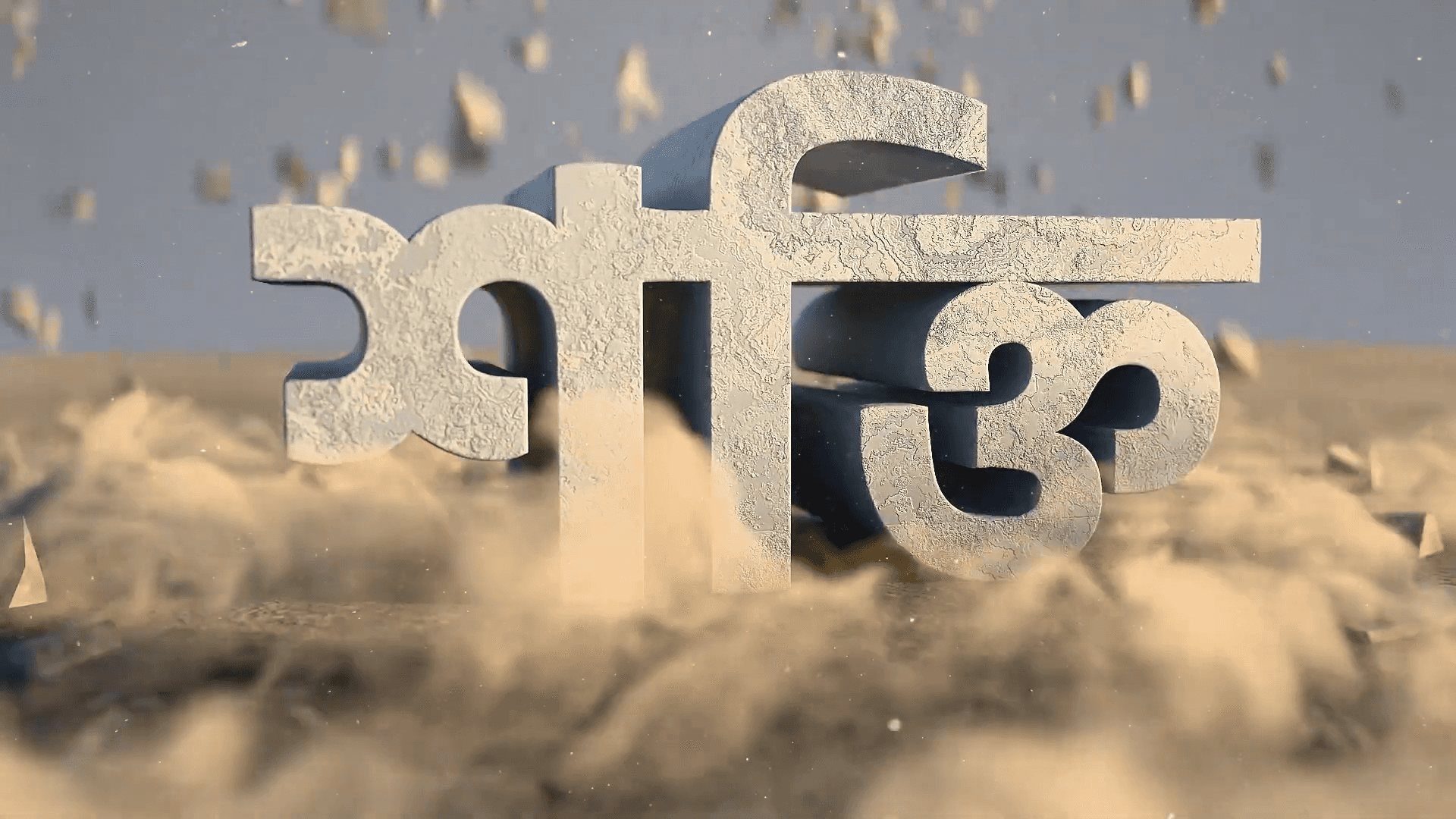
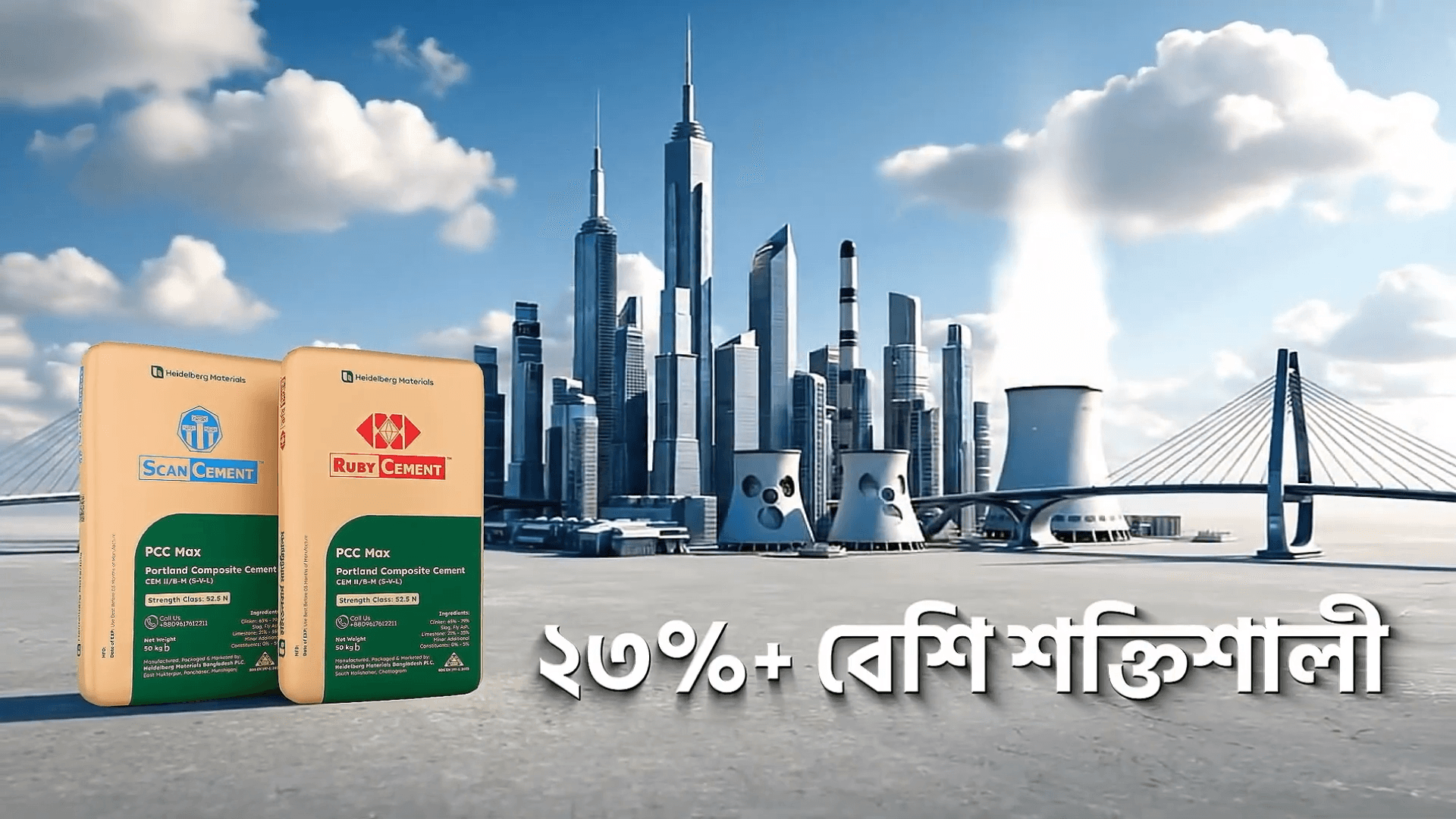
When Heidelberg Materials came to us for the Ruby and Scan Cement PCC Max project, the brief was straightforward but heavy on deliverables. They needed to communicate specific technical benefits: "23%+ Stronger," moisture resistance, and massive scale. They wanted the visuals to scream "Shokti" (Power).
Usually, showing a product in a sprawling futuristic city or a massive industrial plant requires weeks of modeling assets that sit in the background, barely in focus. As a VFX studio in Bangladesh, we are always looking for ways to cut the grunt work so we can focus on the hero shots.
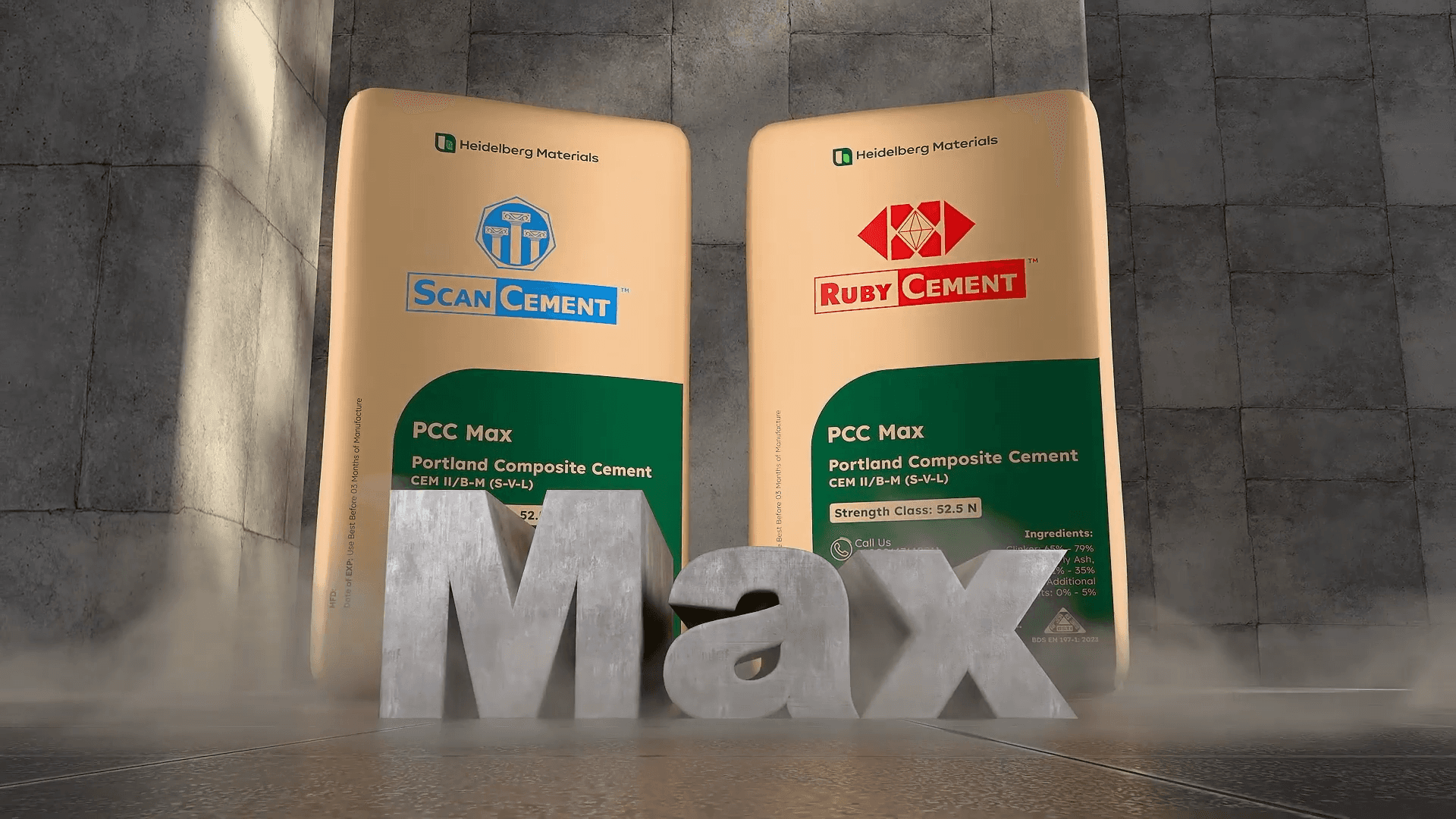
For this project, we decided to split the difference. We didn't model the entire city. Instead, we used a hybrid approach. We utilized Generative AI to establish the look, lighting, and vastness of the environment, and then used traditional 3D animation pipelines to build the product and the typography with absolute precision. This gave us the "big budget" look without the months of modeling time, allowing us to focus on making the cement bags look tangible and the impact feel heavy.
Technical Execution
Here is how we broke down the production to mix 2D AI plates with 3D assets:
Generated background plates using AI to quickly iterate on the industrial aesthetic. This let us lock in the lighting direction and color palette (sunsets, blue skies) before opening a 3D software.
Modeled the hero assets in Blender, specifically the Scan and Ruby Cement bags. Since the background was static, the product had to hold up under scrutiny.
Built custom shaders for the BOPP bags. The client needed to highlight moisture resistance, so we tweaked the specular highlights and roughness to make the bags look like treated plastic, not paper or cloth.
Treated typography as physical objects. We didn't just overlay the text; we built "Shokti" and "Max" as heavy 3D concrete blocks to simulate weight.
Ran physics simulations for dust and debris. When the text or bags land, they interact with the ground plane to ground the objects in the scene.
Composited in After Effects and Nuke to marry the AI backplates with the 3D renders. This involved heavy color grading and light wrapping to make sure the 3D objects looked like they actually belonged in the AI-generated world.
If you have a complex product that needs a high-end environment, contact us to see how we can build a workflow that fits your deadline. You can check out A New Era of Animation AI to get more insights about our workflow.