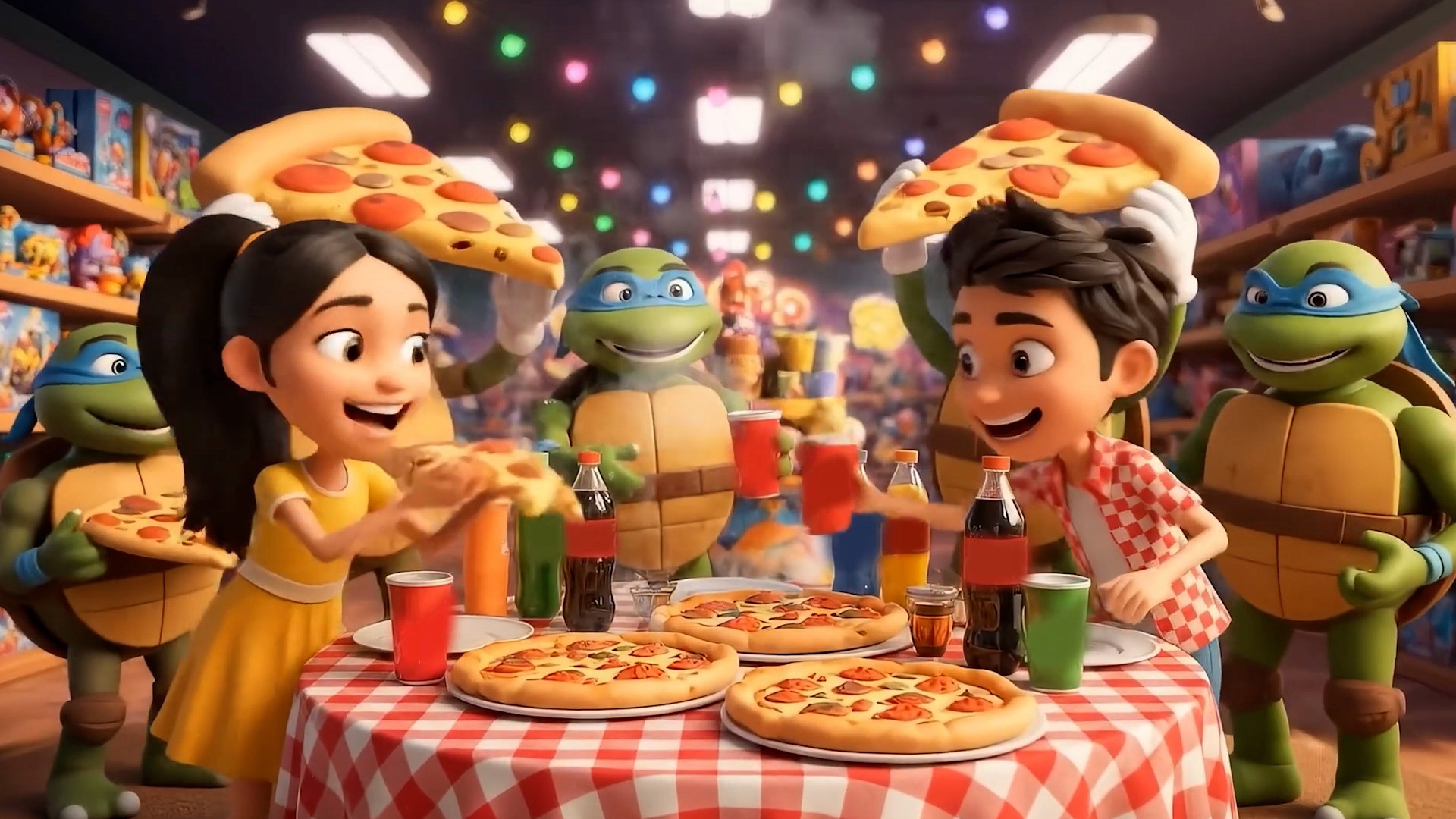
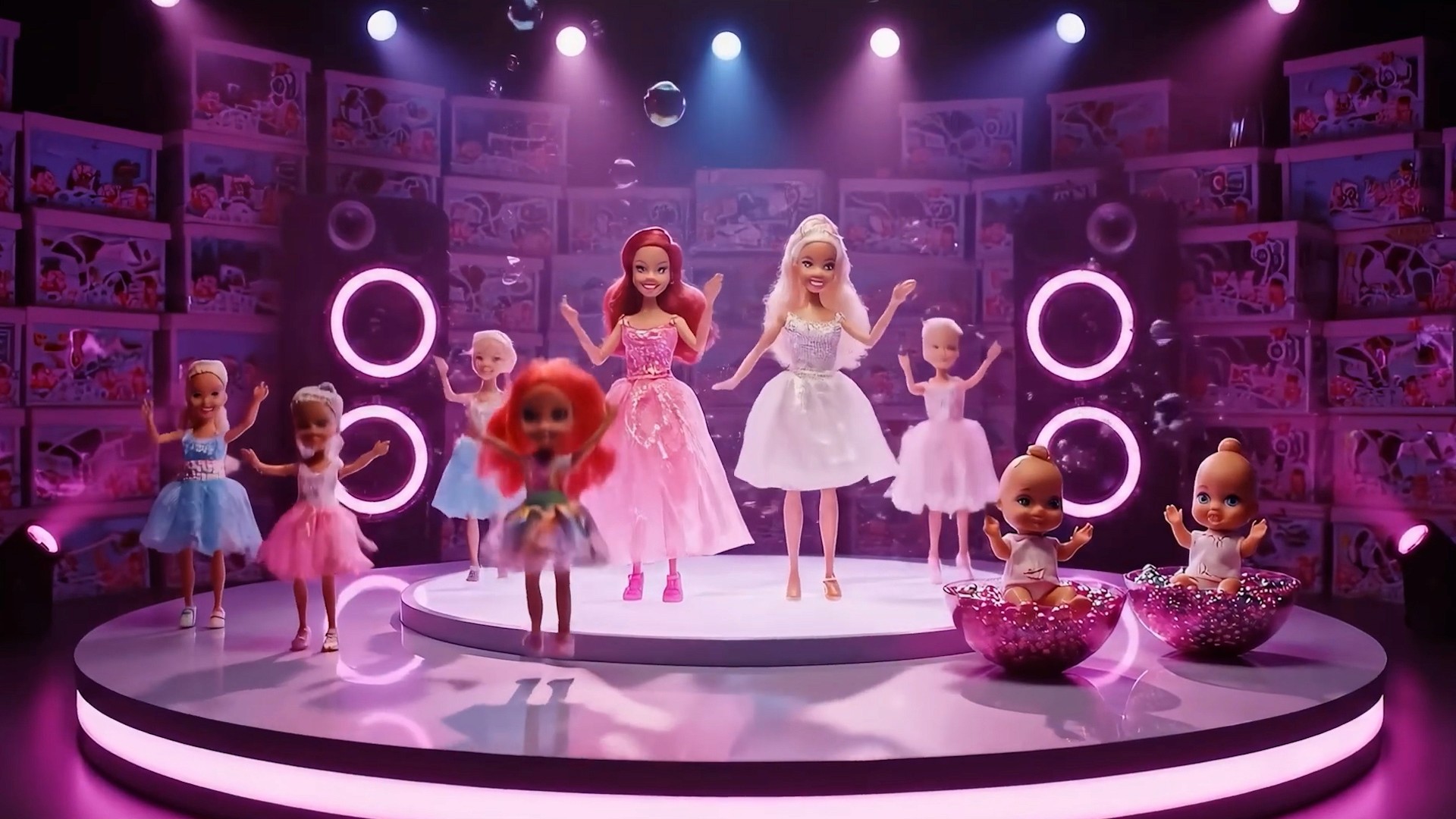
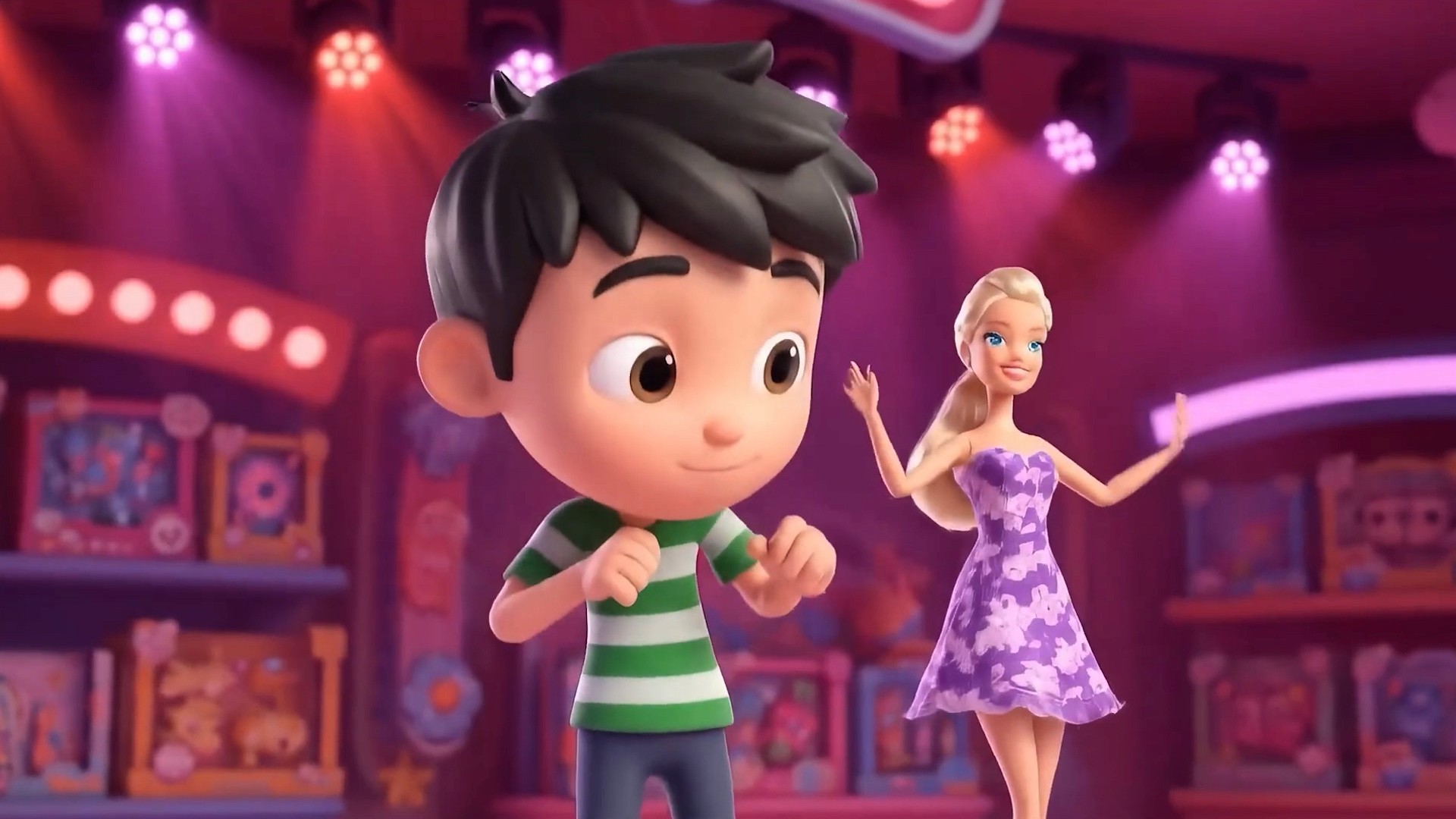
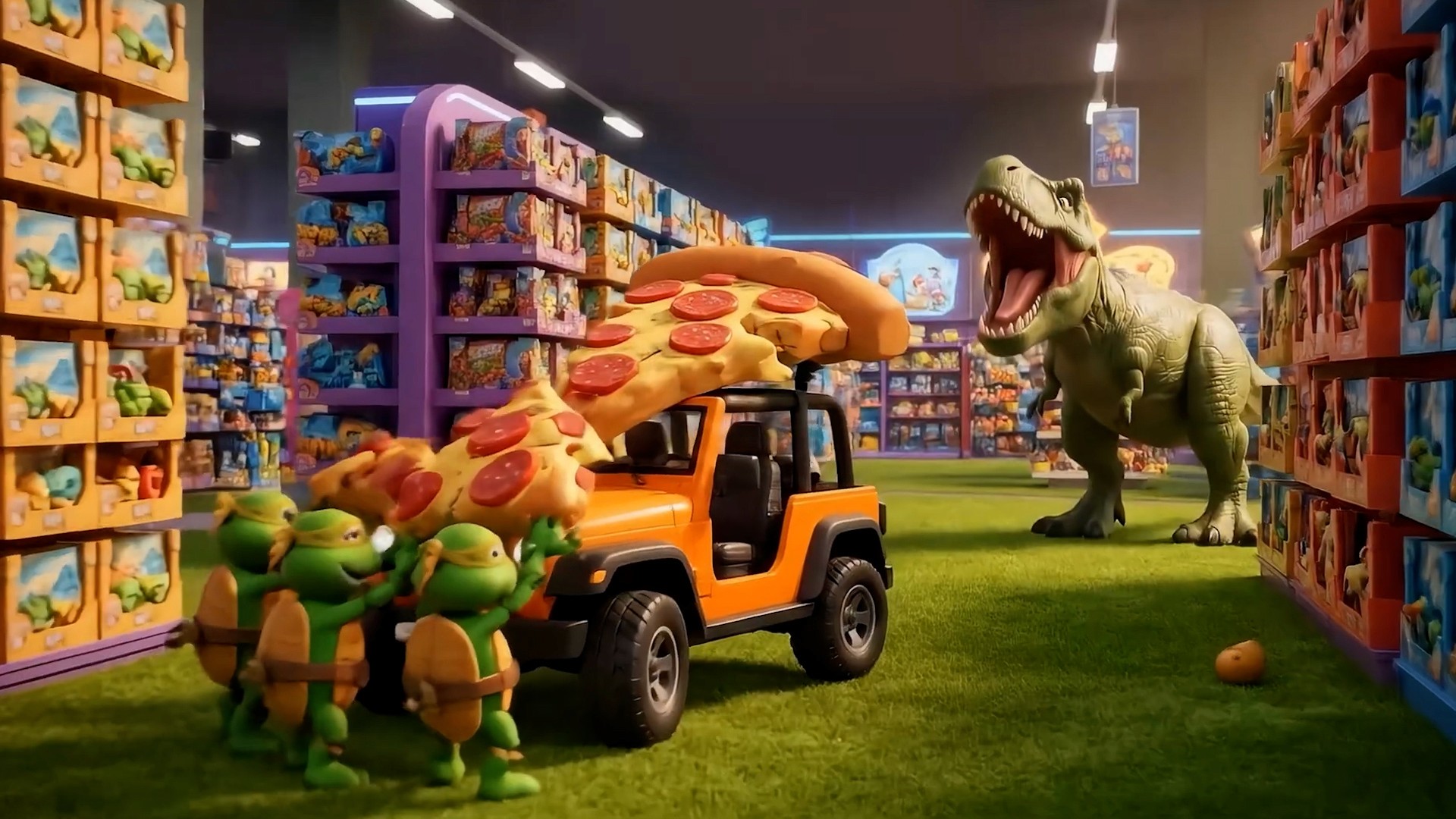
A high-energy, cinematic journey through a reimagined toy universe, where the Teenage Mutant Ninja Turtles, prehistoric giants, and fashion icons collide. By blending the raw power of the Flux Dev model with professional post-production workflows, we’ve created an animation that feels like a childhood dream brought to life.
[Client]
Toggy Toys
[Year]
2025
[Services]
[Catagory]
AI-Content
Bringing Toys to Life: Blending AI with 3D Animation
AI tools are everywhere right now, but they often lack that "finished" feel. For this project, our goal was to bridge that gap. We didn't want just a collection of cool-looking images; we wanted a story that felt like it was made by a professional 3D animation studio. We wanted to see if we could take the creative unpredictability of AI and refine it using our standard studio workflow.
The Story: Playful Chaos in a Toy Box
The creative idea was "Playful Chaos." We imagined a toy store where the shelves aren't just for show—they are the setting for an adventure.
The narrative jumps around quite a bit: a T-Rex interrupts a pizza run, and then suddenly, there’s a high-fashion doll concert. To make this work, we had to keep the visuals consistent. Even with different characters, we focused on vibrant colors and textures that felt real, like you could reach out and touch the plastic toys.
How our team in Dhaka made it happen
At FireDrum Studios, we’ve been working in VFX and animation since 2015. With about 20 artists and tech-lovers on our team, we know that technology works best when it serves the story. Here is how we mixed AI into our usual post-production pipeline:
Creating the Look (Flux Dev)
We started with the Flux Dev model. We spent a lot of time "engineering" the prompts to get a specific 3D aesthetic. It wasn't just about the characters; it was about the textures—making sure the Ninja Turtles looked like they were made of rubber and the dolls had that glossy, fashion-toy plastic look.
Adding Motion
Once we had the still frames we liked, we used image-to-video AI tools to bring them to life. This part is tricky because the physics need to feel right. It took a few tries to make sure the "pizza-loading Jeep" moved in a way that felt natural.
The Human Touch (After Effects & Mocha)
AI-generated video usually has "artifacts" or weird glitches. This is where the human element comes in. We brought everything into After Effects for final compositing. Our team used Mocha for tracking and added lens flares, depth of field, and color grading. This helped unify the look and made the toy store environment feel like a real three-dimensional space.
Extra Details (Blender & Houdini)
To add what we call "FireDrum Magic," we used Blender to model extra parts of the environment. We also used Houdini to simulate small details, like the bubbles on the doll stage, which helped the film feel much more layered and professional.
The Final Result
The end result is a fast-paced, fun animation that shows what’s possible when you combine the speed of AI with the expertise of a dedicated VFX studio in Bangladesh. It’s a glimpse into the future of filmmaking—one where we can tell stories faster without losing the quality that people expect from a professional studio.