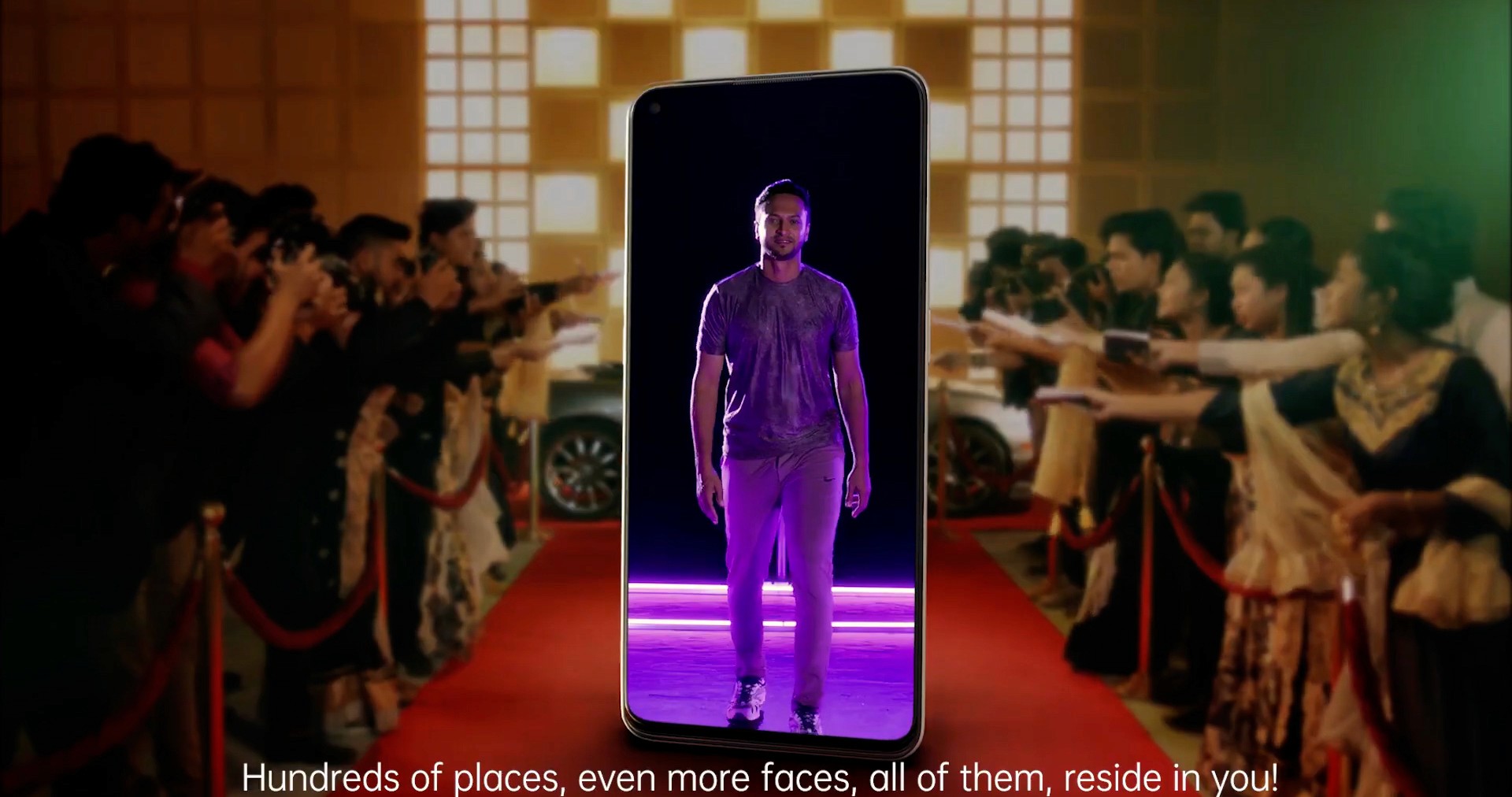
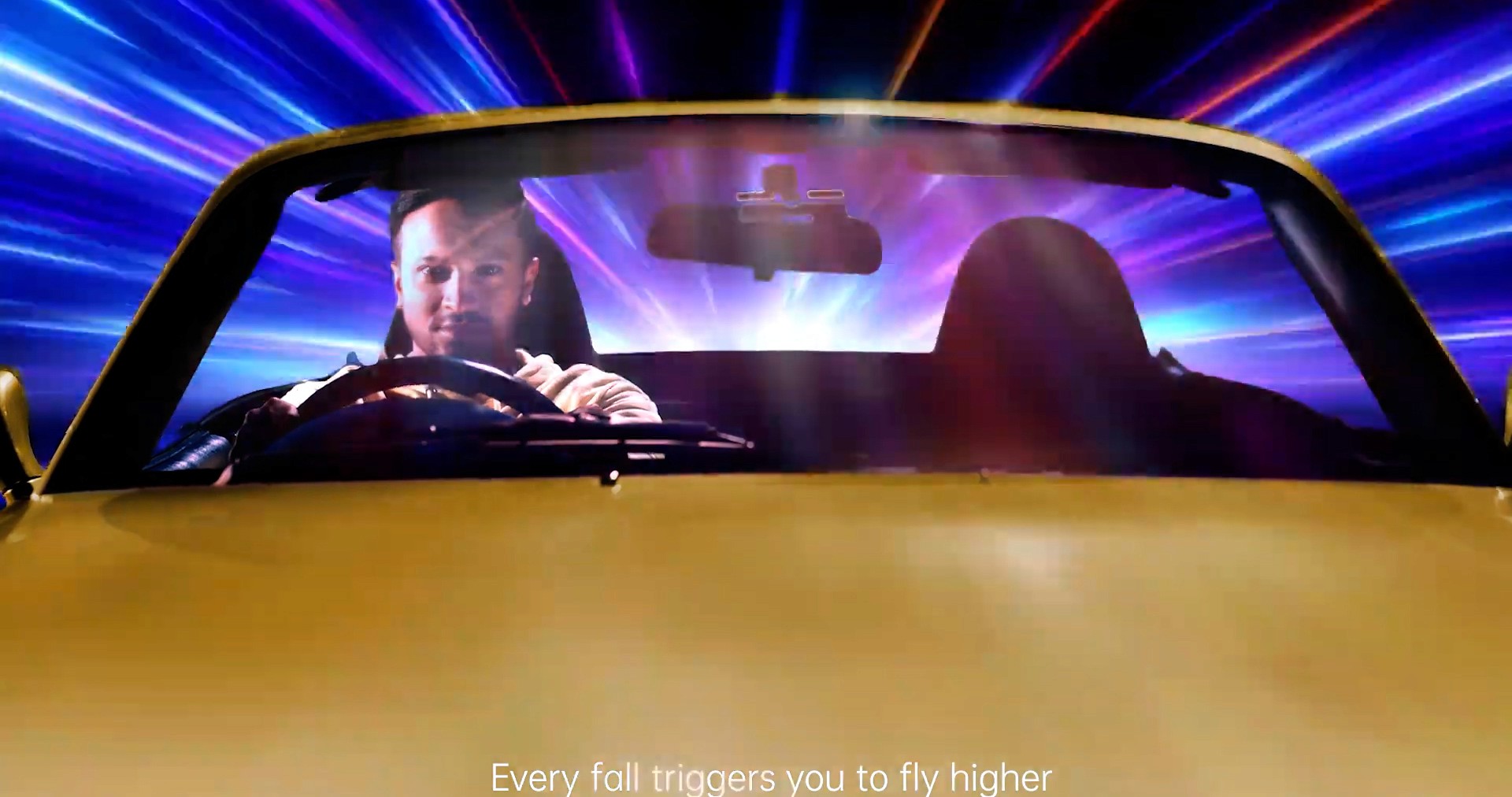
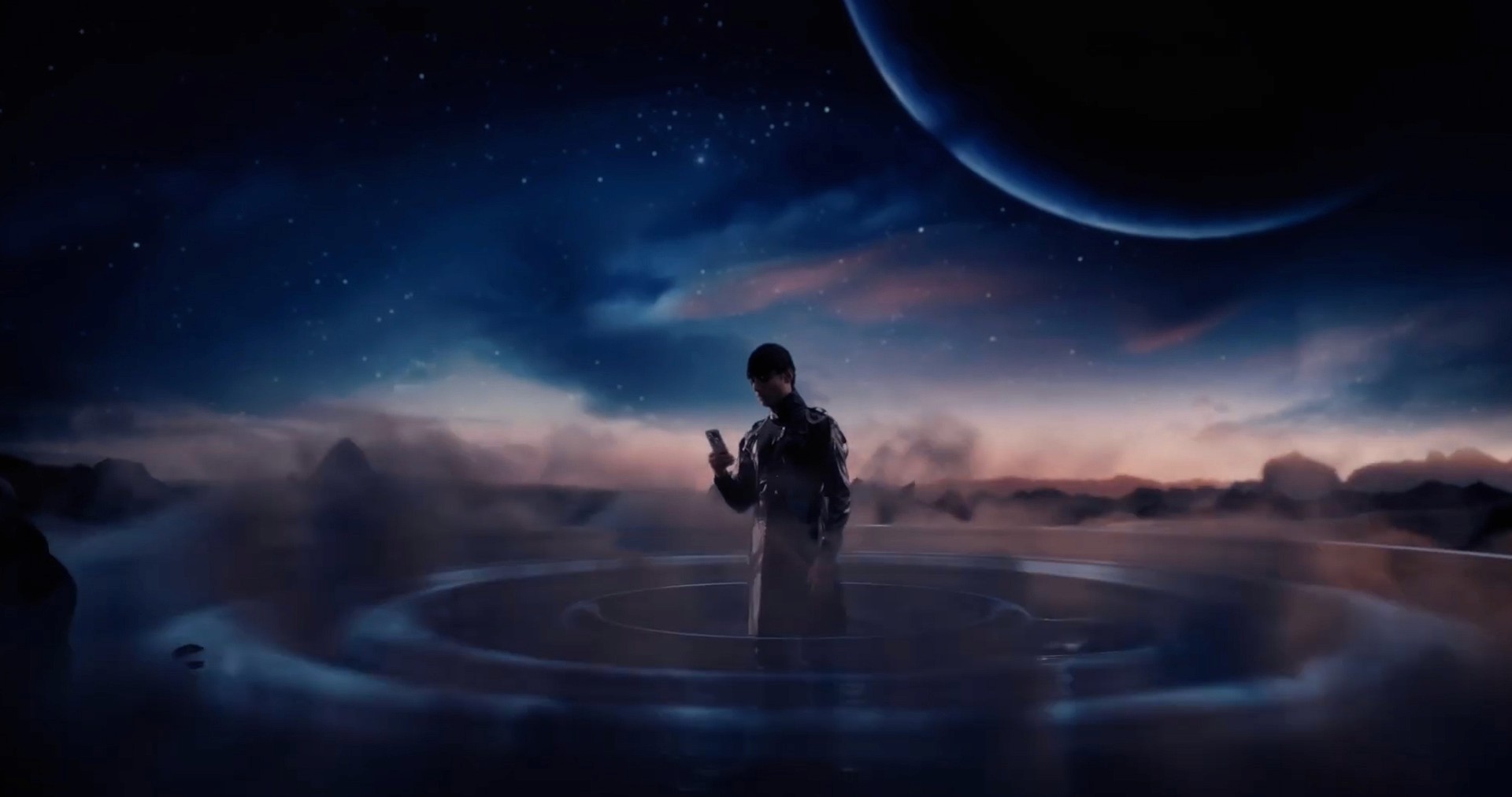
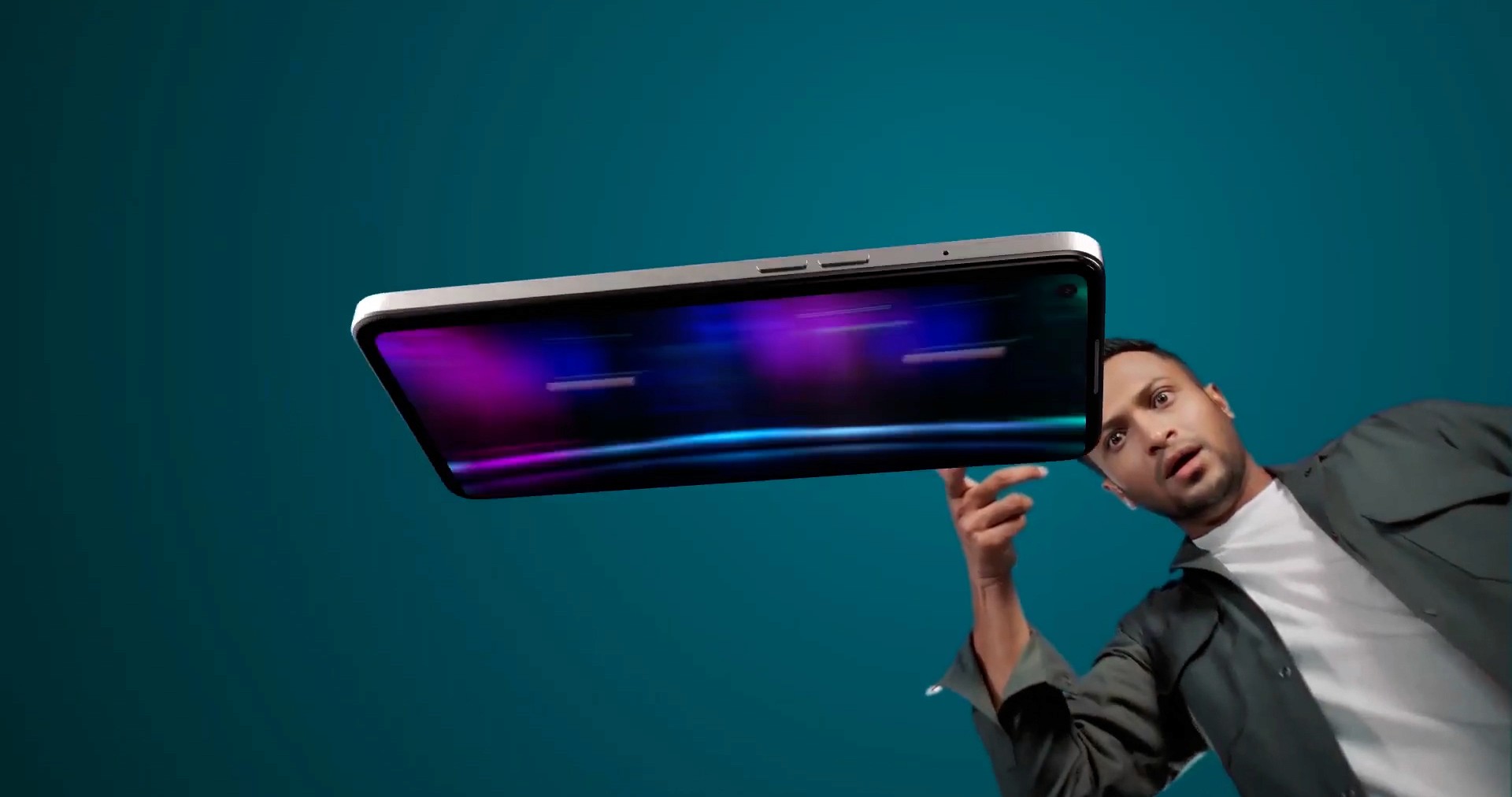
A high-octane fusion of live-action and cutting-edge CGI, this TVC for the OPPO F21s Pro features Shakib Al Hasan navigating a world of neon-lit dreams. Through complex 3D transitions, green screen compositing, and cosmic environment design, we transformed a premium smartphone launch into an otherworldly visual experience.
[Client]
Oppo
[Year]
2023
[Services]
CGI,VFX,3D Animation
[Catagory]
Commercials
Connecting Reality with a Digital Cosmos
When we first looked at the "Dream Big" concept for the OPPO F21s Pro, we knew the transitions would be the hardest part to get right. Our team at FireDrum Studios wanted to move away from basic cuts and instead used the phone's screen as a gateway. This meant Shakib Al Hasan wasn't just appearing in different scenes—he was moving through them.
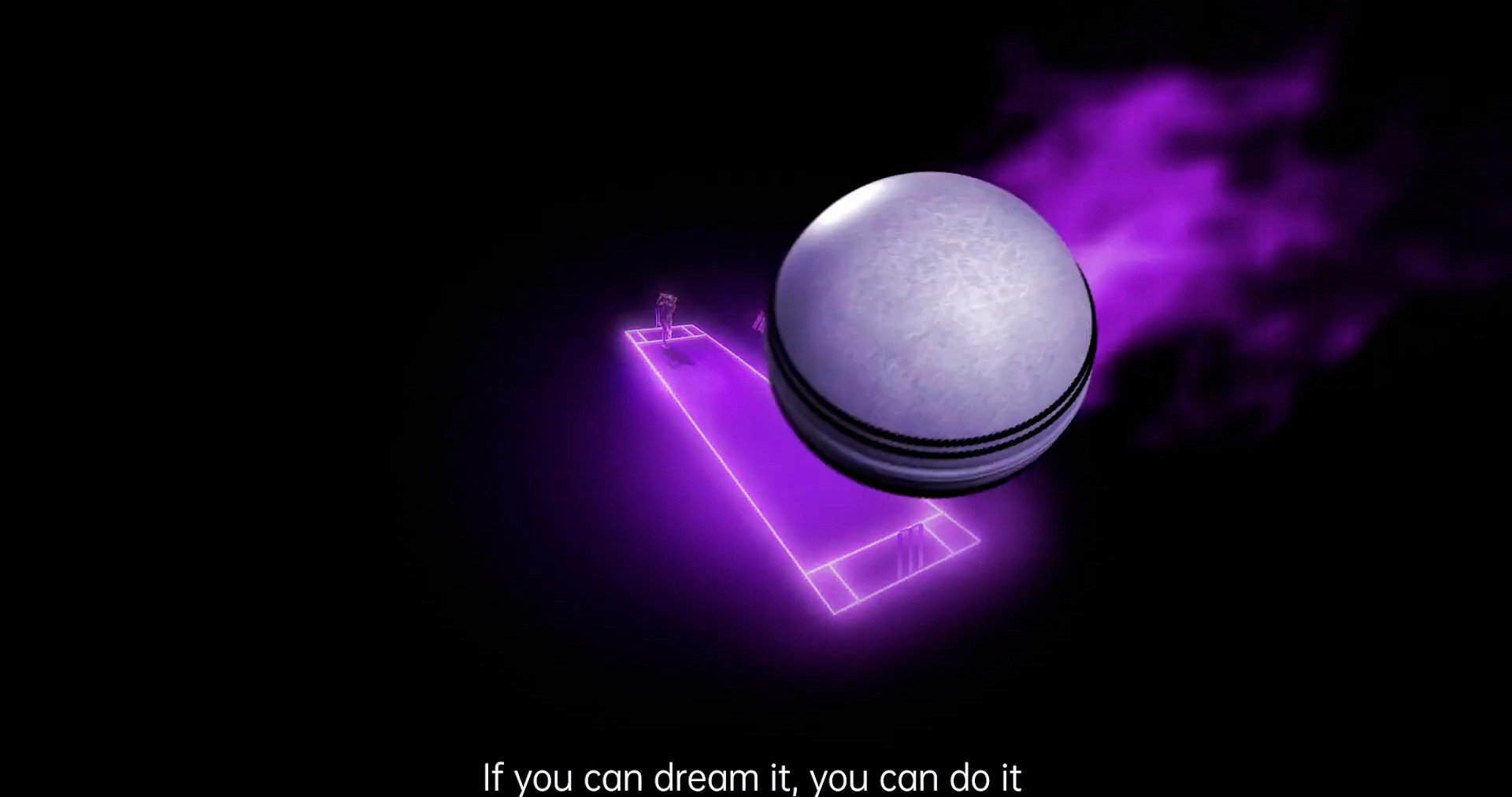
As a VFX studio in Bangladesh, we often see projects that try to do too much with CGI, losing the human element. For this TVC, we kept the focus on Shakib’s natural movement while building highly stylized 3D worlds around him. Whether he was stepping out of a futuristic car or bowling a glowing cricket ball through a nebula, the goal was to make the post-production feel premium and intentional, rather than just "flashy."
The visual direction relied heavily on a purple and blue neon palette, which we had to balance carefully so it didn't overwhelm the actual product. It was a exercise in high-end video production where the tech had to support the story of a visionary athlete, not distract from it.
Technical Execution: How We Built It
Creating these dimensions required a mix of precise tracking and heavy simulation work. Here is how we handled the heavy lifting:
Matchmoving and Tracking: We used PFTrack to map out the camera moves and Mocha for the rotoscoping. Since Shakib was often holding the phone or interacting with 3D elements, we needed the "lock" to be perfect. If the phone drifted even a few pixels in his hand, the illusion of it being a "portal" would have broken.
Modeling the Device: We built the OPPO F21s Pro from scratch in Blender. We spent a lot of time on the shaders and textures because the "OPPO Glow" is a specific look. We needed the 3D model to react to our digital neon lights exactly like the real phone would in a studio.
Environment & FX: For the "Hyperspace" sequences, we used Unreal Engine to build the environments. It allowed us to iterate on the layout quickly. For the more complex elements, like the purple energy trailing the cricket ball, we used Houdini. We chose Houdini because we wanted the smoke to feel organic and heavy, not like a simple 2D overlay.
Compositing in After Effects: This is where we brought the green screen keying and 3D renders together. We didn't just drop the footage in; we worked heavily on the light wrap and color grading to ensure Shakib looked like he was actually standing in a neon-lit void rather than a studio in Dhaka.
Refining the Glow: We used custom glow passes in the final composite to give the purple energy a "bloom" that felt cinematic. It was about finding that sweet spot where the CGI felt energetic but still grounded in the overall look of the film.
At FireDrum Studios, we’re proud of how this one turned out. It’s a great example of what our team of artists here in Bangladesh can do when we combine traditional 3D animation with modern compositing techniques.