To launch Berger’s revolutionary Eco Coat, FireDrum Studios turned the invisible threat of indoor air pollution into a visceral, visual experience. By blending high-end 3D simulations with lush digital environments, we showcased how a simple coat of paint can transform a home into a forest-fresh sanctuary.
[Client]
Berger
[Year]
2025
[Services]
VFX,Filmmaking ,3DAnimation ,VisualEffects
[Catagory]
Commercials
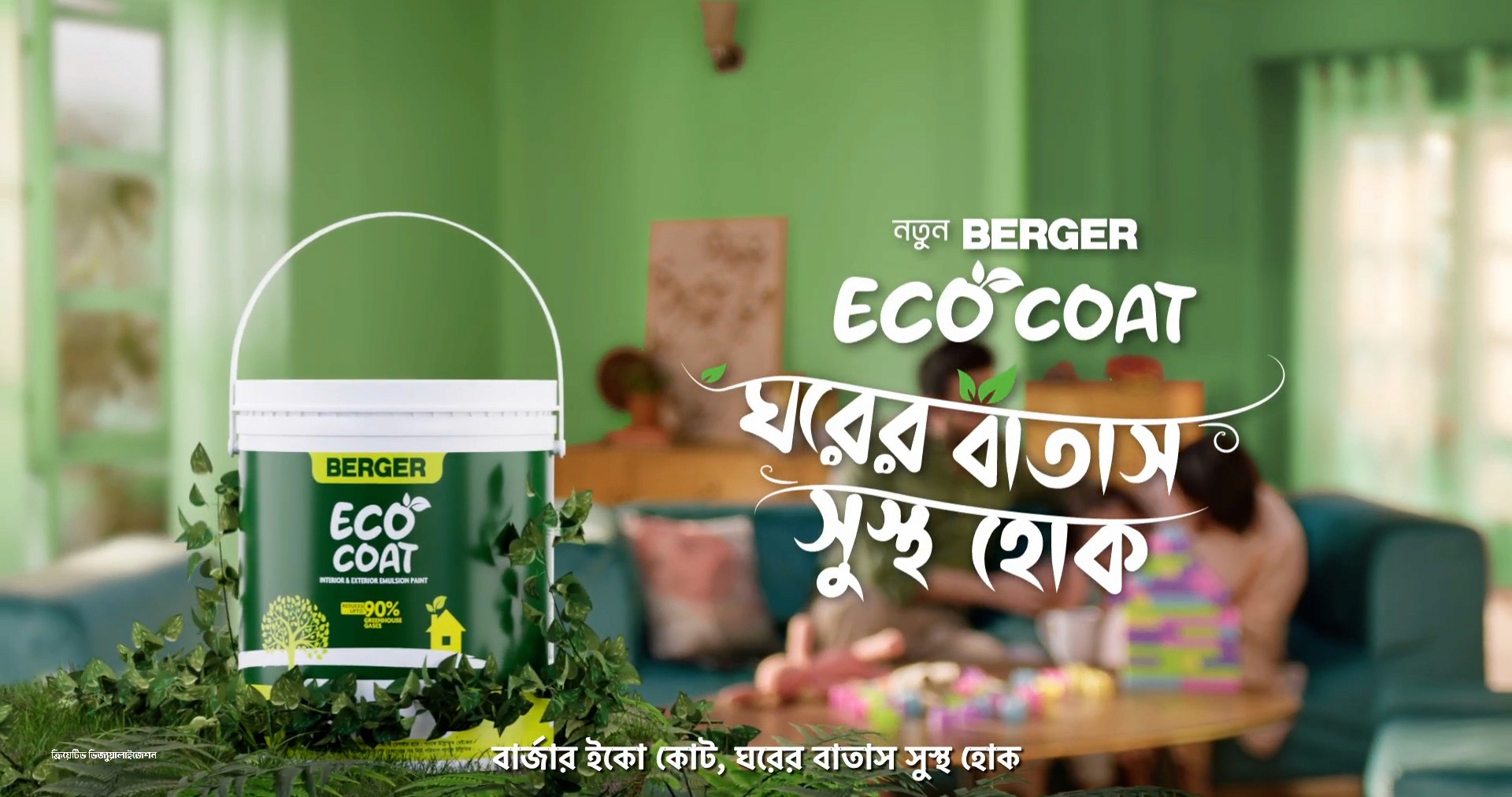
Visualizing the Invisible: The Berger Eco Coat Project
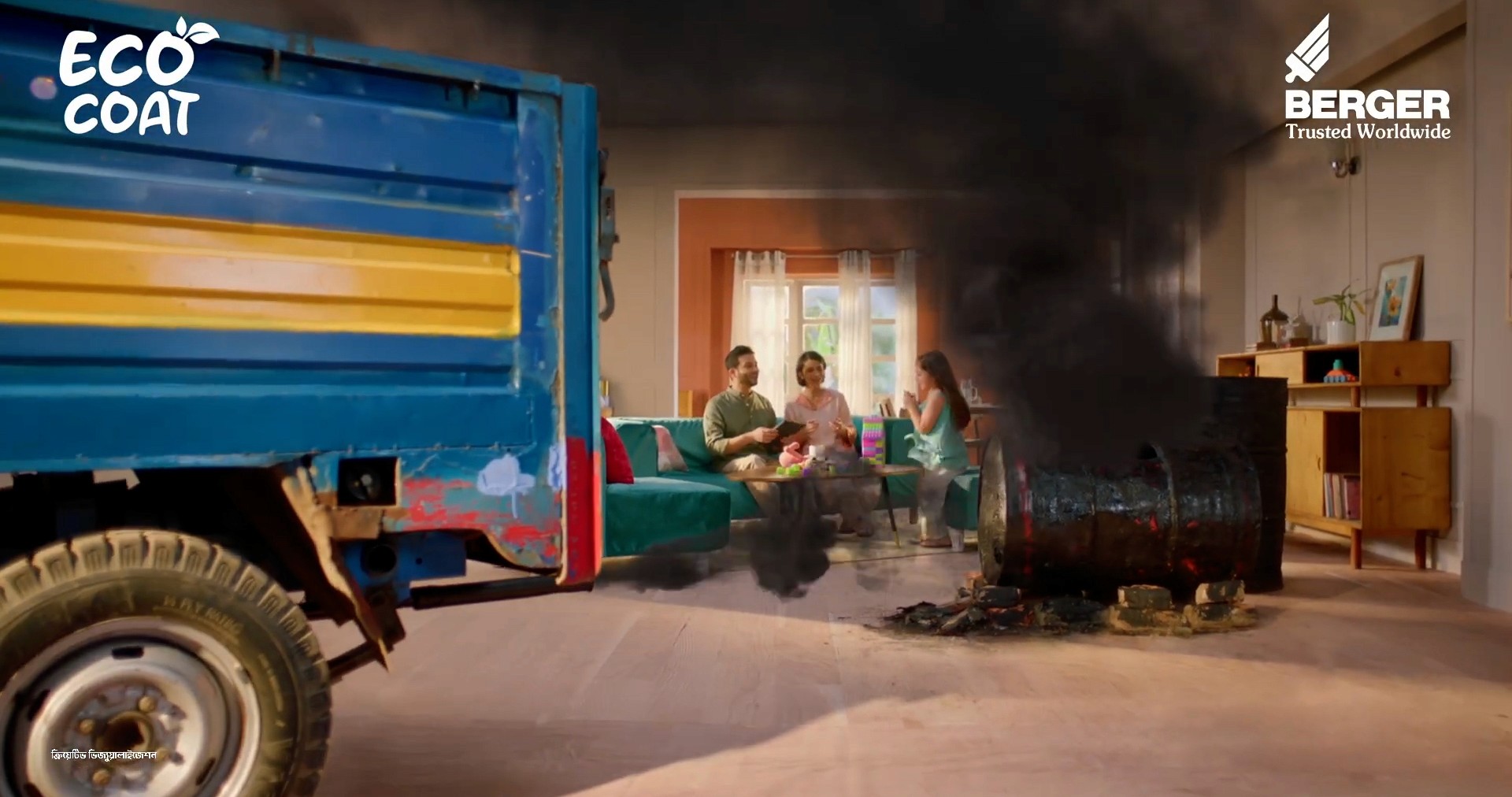
The biggest hurdle with this project was showing something you can’t actually see: air quality. The brief wasn't just to show a nice-looking room, but to create a surreal metaphor for CO2 and methane. We decided to treat the pollution as a "villain" that physically takes up space, making the living room feel suffocating and crowded.
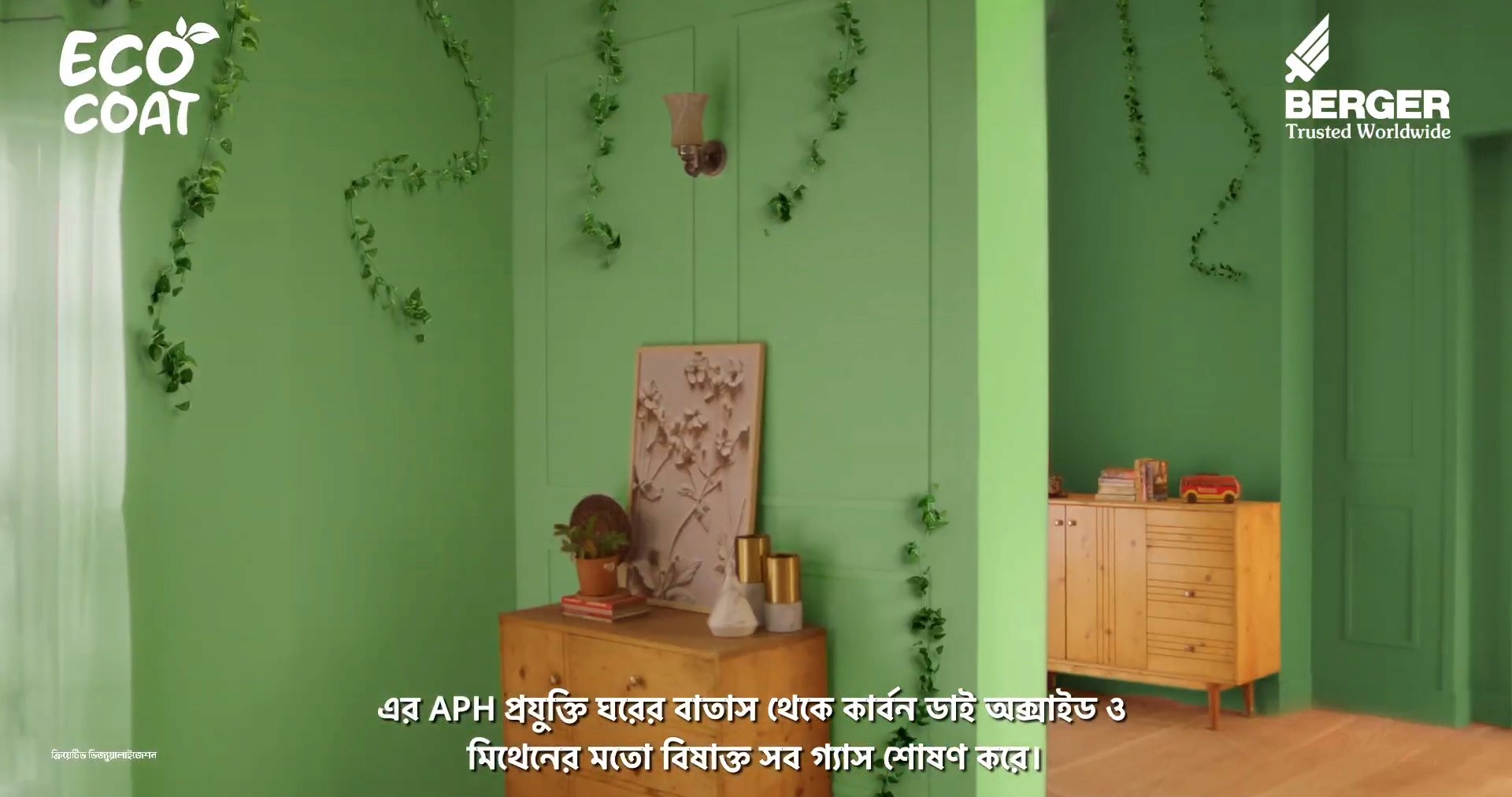
As a VFX studio in Bangladesh, we often get asked to make things look "pretty," but this project was about the opposite. We needed the first half of the film to feel heavy and intrusive. When the "Eco Coat" effect kicks in, we transitioned the space into a lush, breathable environment. It wasn't just about a color change; it was about transforming a dark, industrial mess into a vibrant, natural sanctuary.
We used the wall as a portal, moving away from the gritty smoke and toward clean, procedural greenery. This contrast helped the product feel like a genuine solution rather than just another bucket of paint on a shelf.
Technical Execution
At our post-production studio in Dhaka, we treat every shot as a puzzle. For this TVC, the pieces had to fit perfectly between live-action footage and high-end CGI.
Matchmoving for Stability: We used PFTrack to map the living room’s camera movement. If the tracking was even slightly off, the 3D truck would have looked like it was "sliding" on the floor, ruining the illusion of it being a physical intruder.
Creating the "Villain" Smoke: To get that thick, oily look for the pollution, we ran fluid simulations in Houdini. We spent a lot of time adjusting the "weight" of the smoke—it needed to feel like it was hanging in the air and clinging to the furniture to make the audience feel uneasy.
Procedural Ivy Growth: We used Blender’s geometry nodes to grow the ivy across the walls. Doing this procedurally meant we could control exactly how fast the vines moved and how they wrapped around the product, which would have been nearly impossible to animate by hand in a tight timeframe.
3D Product Rendering: The paint bucket itself was integrated into the 3D scene. We matched the digital lighting to the real-world set so the textures and reflections looked natural, ensuring the 3D product rendering felt like it belonged in the same space as the actors.
Final Compositing and Color: Everything was pulled together in After Effects. We used a split color grade—starting with muddy, warm tones for the polluted scenes and shifting into crisp, vibrant greens for the "Eco" phase. This helped tell the story visually without needing to over-explain it with text.
By combining these technical steps, we were able to turn a conceptual idea into a high-end video production that feels both surreal and grounded. It’s the kind of work we’ve been refining here at FireDrum since we started in 2015.