An independent travel vlogger and adventurer, Sarah, approached our content creation agency, "Wanderlust Media," with a passion for creating a travel vlog series that captured her journey exploring lesser-known destinations around the world. Her goal was to share her experiences, inspire wanderlust, and ultimately monetize her vlog through brand partnerships and sponsorships.eir online presence.
[Client]
City Bank
[Year]
2025
[Services]
3D Animation, Simulation, Environment Design, Compositing
[Catagory]
Product Visuals
Making Darkness Look Expensive
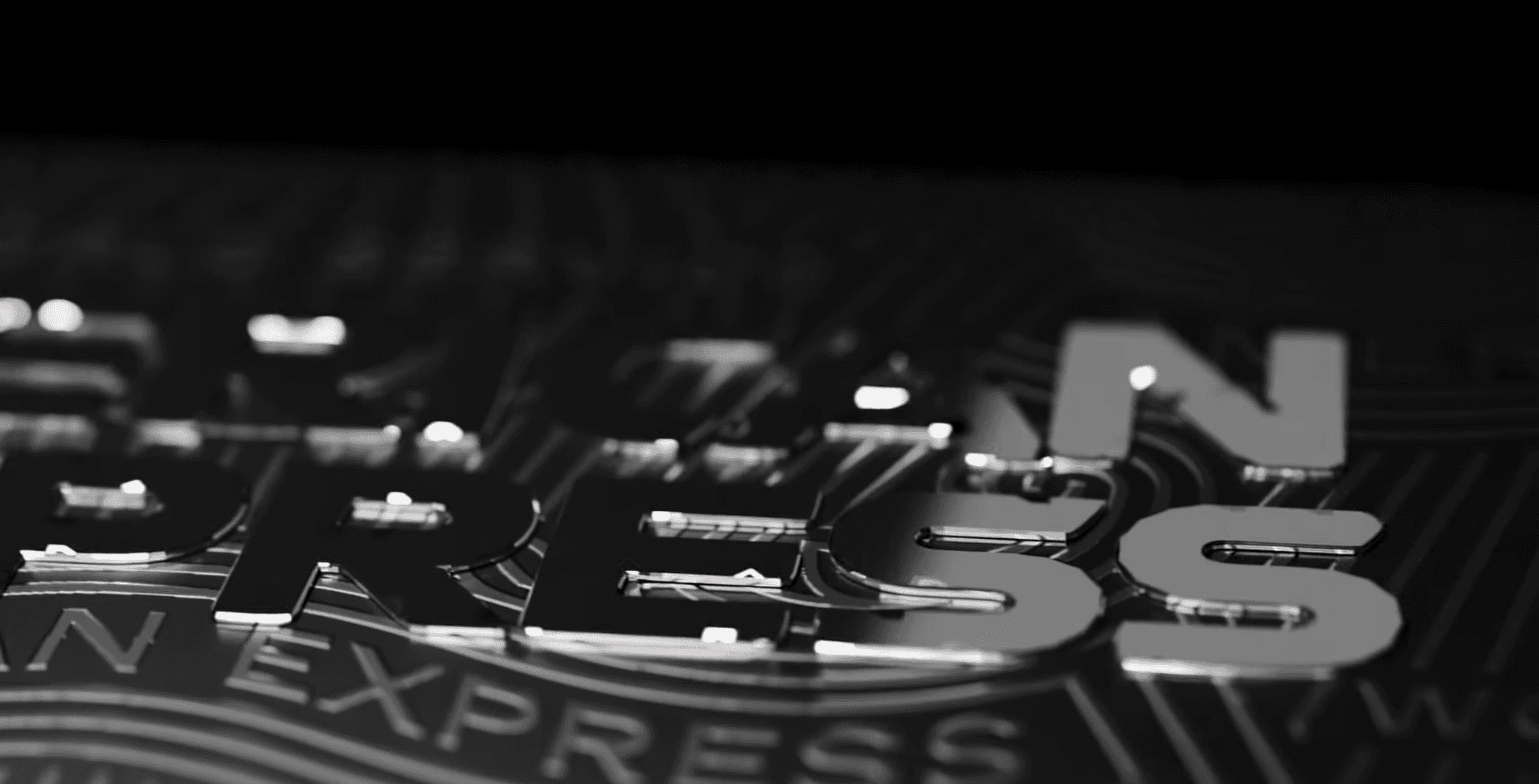
When you run a 3D animation studio in Bangladesh, you usually get requests to make things pop with bright colors. This project was the opposite. City Bank and Amex wanted to show off the "Platinum Reserve," a card made of metal, not plastic. The brief was simple: make it feel heavy, distinct, and high-end.
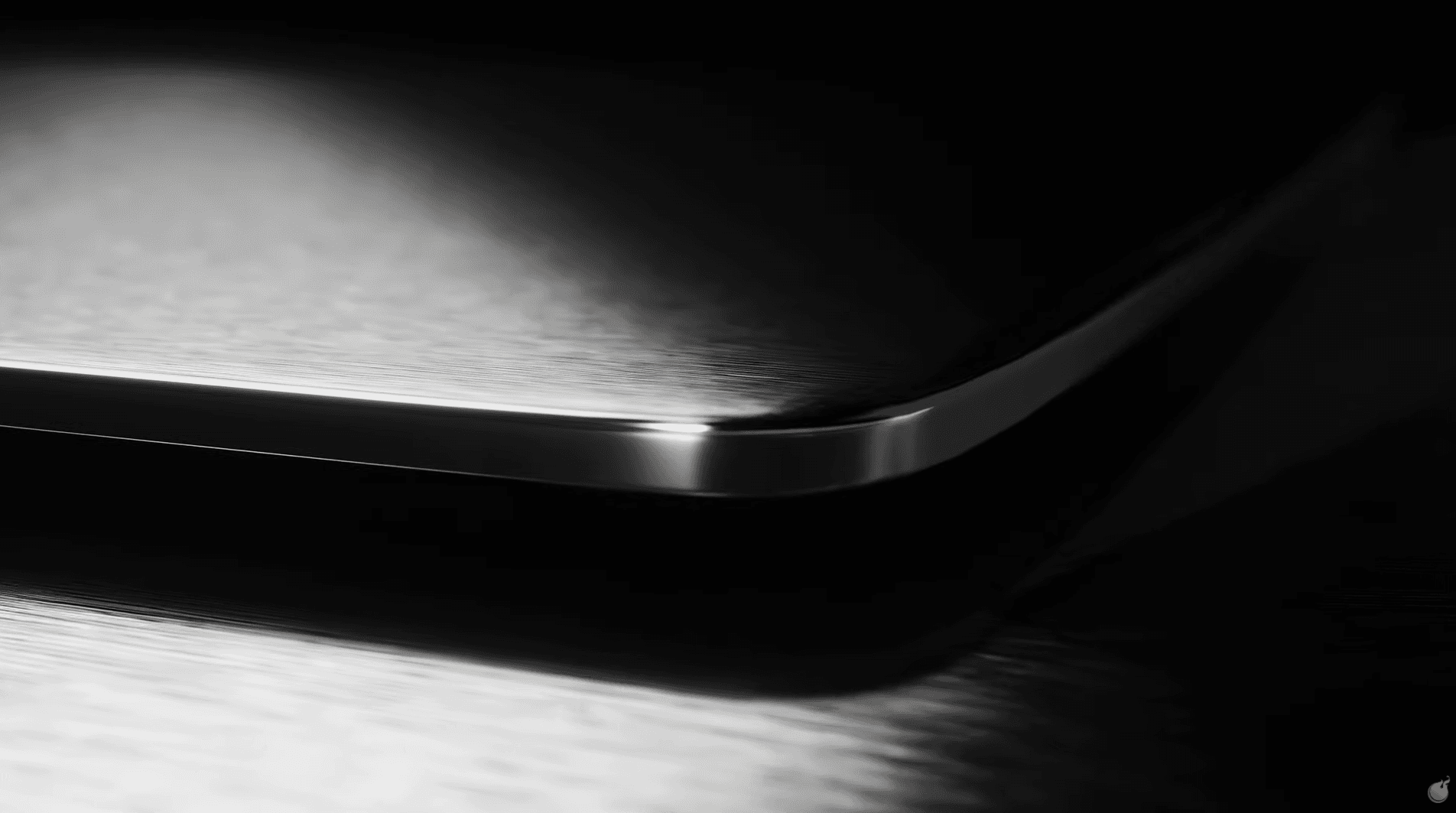
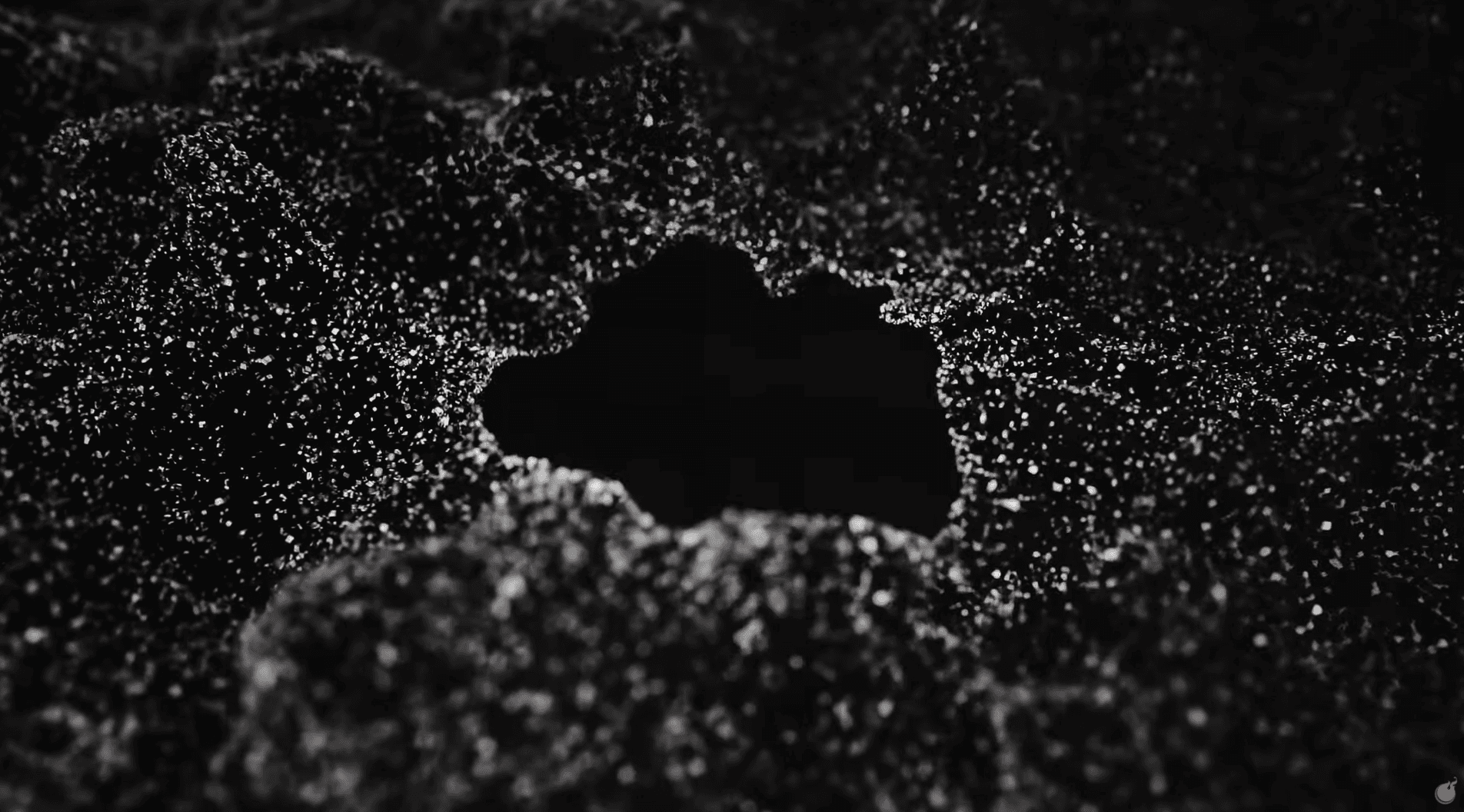
The visual direction was "black on black." This sounds cool on paper, but in 3D product rendering, it’s a nightmare. Metal doesn't have its own color; it only shows what it reflects. If you place a dark metal object in a dark void, it literally disappears.
Lighting the Reflection, Not the Object
To fix this, we stopped trying to light the card and started lighting the environment around it. We treated the card like a mirror. By carefully placing strip lights and softboxes in the digital scene, we forced the light to catch only the beveled edges and the brushed surface. This created contrast without washing out the dark aesthetic.
We used Blender for the heavy lifting. It gave us the speed we needed to test different reflection angles quickly. The goal was to sell the texture—you needed to see the grain of the metal to understand that this wasn't just another plastic card.
From Raw Matter to Finished Product
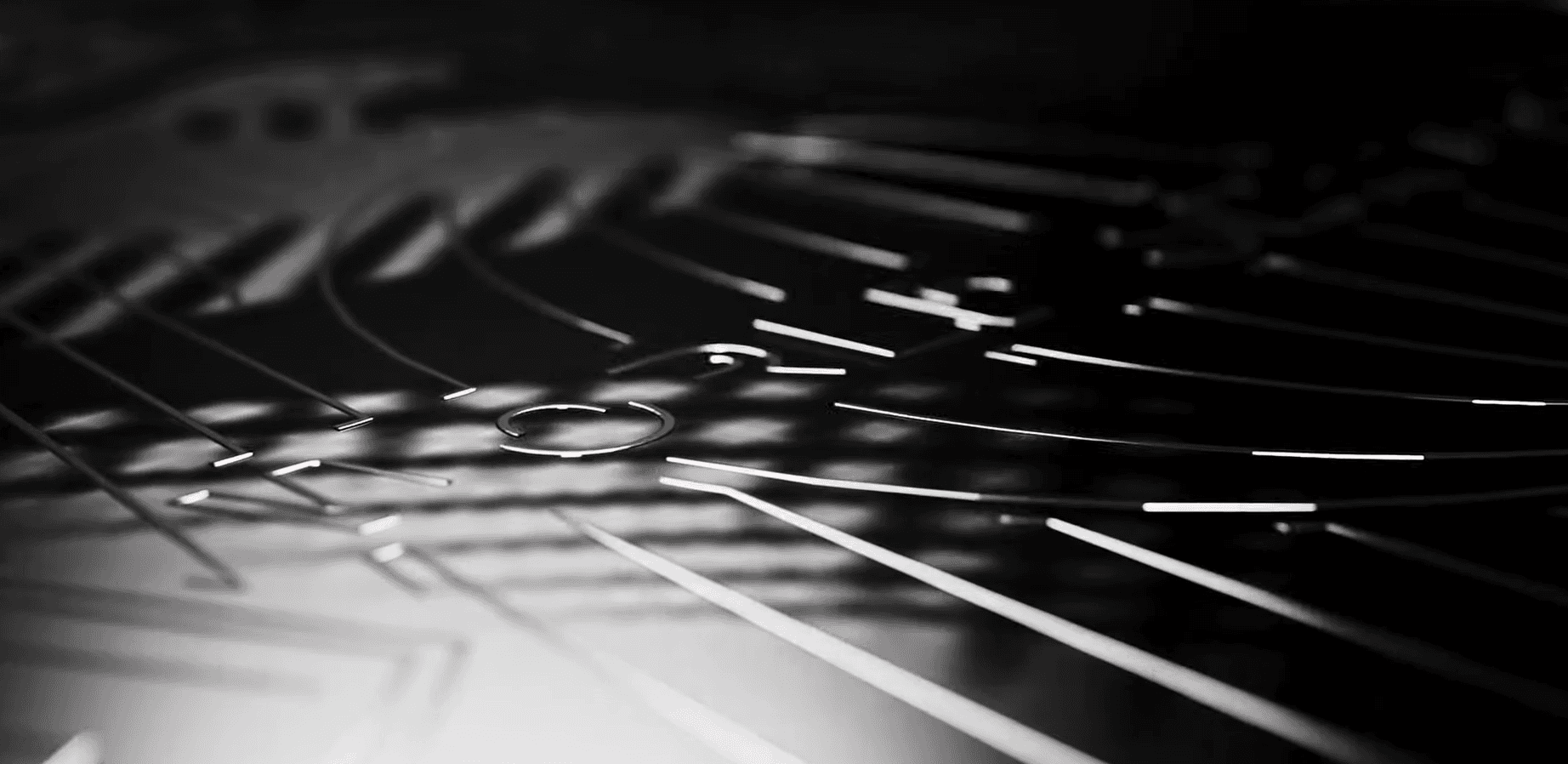
We wanted to tell a story about engineering. The video starts with raw particles swirling and condensing, eventually being laser-etched into the final form. This required some tricky VFX work to make the sparks bounce realistically without distracting from the main product.
It’s the kind of detailed CGI work that requires a lot of back-and-forth between the 3D artists and the compositors to make sure the timing feels rhythmic rather than chaotic.
Technical Execution
Here is exactly how we handled the production, from the initial setup in Blender to the final polish.
Used Anisotropic Shading in Blender to simulate the brushed metal surface. Standard metal shaders look too perfect and mirror-like; anisotropic maps stretch the reflections horizontally, which mimics how real machined metal reacts to light.
Added micro-imperfections to the roughness map to break up the "digital perfection." We added very faint scratches and smudges that you can’t really see, but they stop the object from looking like fake plastic.
Simulated the laser sparks using particle systems with collision detection enabled. This meant every spark actually bounced off the card’s surface physically, giving the scene spatial depth.
Rendered in separate passes (Beauty, Reflection, Emission) so we had total control later. If the client wanted the laser to be brighter, we didn't have to re-render the whole 3D scene—we just adjusted one layer.
Handled the "Bloom" and Glow in After Effects using optical glow filters. Doing this in post-production is much faster than waiting for the 3D render engine to calculate light bleed.
Crushed the blacks during Color Grading to hide the empty space and focus the viewer's eye strictly on the metallic highlights.
If you have a complex product that needs a specific look, get in touch with us to see how we can handle the technical side. You can check out Grameenphone Ek er Moddhoi onek to get more insights about our workflow.